
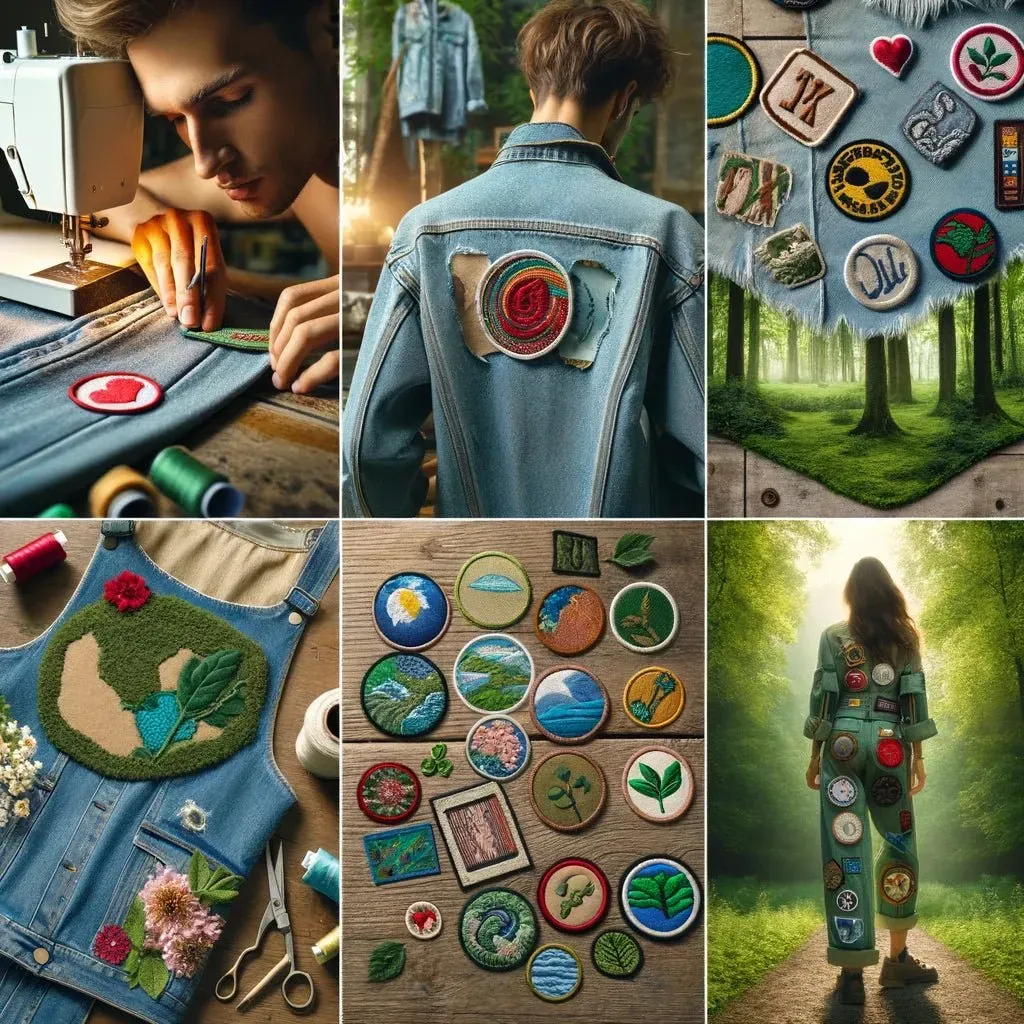
Sustainable fashion with patches is more than a trend; it’s a practical philosophy for wardrobe longevity, personal expression, and environmental responsibility. Patches turn ordinary garments into canvases for creativity, giving worn pieces new life. By embracing upcycle patches, we cut waste and reduce the demand for fast fashion. This approach empowers you to make thoughtful, durable style choices. This article explores how upcycling and patches can transform clothing while keeping style at the forefront of sustainable fashion.
If you prefer a different framing, this approach also reads as upcycled embellishments or garment customization. Patching uses fabric scraps, remnants, or thrifted finds to extend life and reduce waste. The practice blends sustainable materials with expressive design, connecting style with responsibility. DIY patchwork and patch sewing techniques offer hands-on paths for creative expression, from denim jackets to tote bags. Whether you’re patching for color, memory, or durability, these ideas translate well across wardrobes.
Sustainable fashion with patches: Why upcycle patches matter for wardrobe longevity
Patches transform garments into durable canvases, giving new life to pieces that might otherwise sit unworn in the back of a closet. By embracing upcycle patches, you extend the garment’s life cycle, cut waste, and align your wardrobe with a circular economy that values materials over disposal. This practical approach helps you build a more resilient closet without sacrificing style or function.
Beyond practicality, patches become a form of personal storytelling. Each addition reflects tastes, values, and experiences while contributing to an eco-conscious mindset. When you choose patches sourced from leftover fabrics, thrifted finds, or small-batch makers, you participate in sustainable fashion that prioritizes longevity and character—showing that responsible choices can be deeply fashionable.
Materials, planning, and personalization: building the foundation for patch-based style
Start with a closet audit to identify pieces that could benefit from a patch redesign, such as denim jackets with fraying cuffs or tote bags with faded graphics. Look for patches that resonate with your style—bold embroidery, vintage logos, or handmade fabric squares—and consider where they came from, including leftover fabric scraps or thrifted finds. This prepares you for thoughtful personalization in fashion from the outset.
Next, plan your layout before stitching. Decide whether you want a random, eclectic look or a cohesive color story, and gather the essentials you’ll need: stable fabric, a chalk marker for precise placement, and a clear plan for where patches will anchor the garment. With careful planning, you can achieve a harmonious patch aesthetic that remains durable through daily wear.
Patch sewing techniques for durable, stylish updates
Choosing the right stitch is as important as choosing the right patch. Simple satin stitches or tight zigzag stitches work well for most patches and fabrics, helping them stay put during regular use and washing. For knit or stretchy fabrics, backstitches or small running stitches offer flexibility without stressing the material.
If you’re patching jackets or bags, heat-activated iron-on patches can provide quick coverage, but they should be reinforced with stitching for long-term durability. Reinforcement, such as a backing or edge stitching around the patch perimeter, ensures patches resist peeling and fraying, keeping your upcycled pieces looking intentional and resilient.
DIY patchwork ideas for personal expression and creativity
DIY patchwork invites direct personalization in fashion. Start with a simple color palette—2 to 4 hues—and collect patches in those tones. Cut fabric squares from old clothes or thrifted textiles and sew them onto a base piece like a denim jacket or backpack to build a cohesive patchwork narrative.
If you enjoy storytelling through clothing, design patches that symbolize moments, interests, or memories—music, travel, nature, or art. A mix of embroidery, appliqué, and printed fabrics lets you explore texture and dimension, helping you master DIY patchwork while developing a sense of balance in patch shapes, sizes, and seam placements.
Care and longevity: maintaining patched garments in eco-friendly fashion with patches
Patched garments deserve careful maintenance to maximize their lifespan. Turn items inside out during washing, use a gentle cycle with cold water, and air-dry when possible to protect the patches from heat damage. This mindful care aligns with eco-friendly fashion with patches, ensuring that each piece remains functional and stylish longer.
If a patch begins to loosen, re-sew the edges promptly to prevent unraveling. Keeping a small repair kit handy—sharp needles, matching thread, and a seam-ripper—helps you address issues quickly. With proper care, patched garments can achieve years of wear and carry a meaningful story of upcycled style.
From idea to closet: planning, sourcing, and embracing a circular approach with upcycle patches
Turn your patch project into a practical act of design by outlining a clear concept, sourcing patches from leftover fabrics or local makers, and considering how each piece fits into a broader wardrobe. This approach supports upcycle patches and reinforces a circular mindset where materials are valued and repurposed rather than discarded.
Finally, translate your patch ambitions into a usable closet strategy. Create a timeline for projects, document your patching goals, and share techniques that inspire others to participate in a more sustainable fashion landscape. By combining planning with hands-on craft, you can cultivate a personal style that is both expressive and environmentally responsible.
Frequently Asked Questions
What is Sustainable fashion with patches and why does it matter?
Sustainable fashion with patches is about extending garment life and personal expression by sewing patches onto existing pieces, turning waste into wearable art. It supports upcycling, reduces textile waste, and invites mindful consumption. By combining upcycle patches and personalization, you create durable, stylish items that reflect your values.
How can I start an upcycle patches project in my wardrobe?
Begin by auditing your wardrobe for pieces to refresh, then choose patches from leftover fabric scraps, thrifted garments, or small-batch makers. Plan a layout, gather basic tools (sharp needle, thread, chalk, scissors), wash and press the item, and sew patches using simple stitches or a zigzag. Reinforce high-stress areas and wash gently to preserve the patchwork over time.
Which patch sewing techniques help patches stay durable in Sustainable fashion with patches?
Effective patch sewing techniques include a tight satin stitch or zigzag to secure patches, plus backstitch or a small running stitch for knit fabrics. If using heat-activated iron-on patches, reinforce with stitching for durability. For heavier fabrics like denim, add patch backing or use secure edge finishes to prevent loosening.
How does personalization in fashion enhance sustainable fashion with patches?
Personalization in fashion through patches lets you tell your story while supporting sustainability. By selecting patches with meaning and keeping a cohesive color story, your pieces stay stylish and aligned with eco-friendly goals.
What materials are best for eco-friendly fashion with patches and where can I source them?
Choose patches made from leftover fabric scraps, thrifted patches, or designs from small-batch makers to support eco-friendly fashion with patches. Prioritize durable fabrics and patch types that suit the garment, and sew rather than glue to maximize longevity.
Can you share DIY patchwork ideas for a stylish, sustainable wardrobe?
DIY patchwork ideas include starting with a simple 2- to 4-color palette, collecting patches from old clothes or thrifted textiles, and sewing onto a base like a denim jacket. Mix embroidery, appliqué, and printed fabrics to tell a story, then balance patch shapes and seams for a deliberate, cohesive look.
| Aspect | Key Points |
|---|---|
| Introduction | Sustainable fashion with patches is a practical philosophy for wardrobe longevity, personal expression, and environmental responsibility; patches turn old garments into canvases for creativity and support upcycling and mindful consumption. |
| Why patches fit sustainable fashion with patches | Reuse and personalization extend a garment’s life; patches promote a circular economy and reduce discard of materials; patches from leftovers, thrifted finds, or small-batch makers create a versatile, durable, and stylish wardrobe. |
| Upcycle patches: materials, planning, and technique | Audit wardrobes for patch-worthy items; choose patches you love; gather basics (needle, thread, chalk marker, scissors, stabilizer); wash/press garments; plan layout; apply patches with appropriate stitches; consider heat-activated patches plus reinforcement; aim for secure, cohesive results. |
| Design ideas that align with eco-friendly fashion with patches | Patch with a mix of embroidery, vintage logos, and fabric scraps on denim; extend life of totes with durable fabrics; add small embroidered patches to knits; ensure patches complement fabric texture and color and stay securely attached. |
| DIY patchwork ideas for creativity and personal expression | Use a simple 2–4 color palette; cut patches from old clothes or thrifted textiles; sew onto base pieces; design patches to symbolize moments or interests; combine embroidery, appliqué, and printed fabrics for balance. |
| Materials and tools for successful patch projects | Basic sewing supplies and a small cutting station; sharp fabric scissors; fabric pen; embroidery threads; embroidery hoop; zigzag/satin stitch foot; interfacing/stabilizer; seam ripper. |
| Step-by-step patching guide for beginners | 1) Choose cohesive garment and patches; 2) Wash/press; 3) Plan layout for balance; 4) Pin or adhesive patch in place; 5) Sew from center outward with small stitches; 6) Finish with edge stitching; 7) Wash after first wear to test durability. |
| Care and longevity: keeping your patches intact | Turn inside out, gentle cold wash; air-dry when possible; re-sew loose patches promptly; proper care extends life and reduces environmental impact. |
| The environmental and personal impact of patch-based upcycling | Reduces textile waste, lowers demand for new fabrics, and minimizes fashion’s carbon footprint; patched pieces tell mindful stories and, with quality patches and stitching, endure daily wear. |
| Concluding thoughts: personal style meets sustainability | Patches blend eco-conscious decisions with creative expression, transforming garments into one-of-a-kind pieces and encouraging a wardrobe that reflects both values and style. |
Summary
Conclusion: Sustainable fashion with patches is a practical, stylish approach to wardrobe longevity, personal expression, and environmental responsibility. Patches give new life to garments, extend their use, and reduce the need for fast fashion. By selecting patches from leftover fabrics, thrifted items, or small-batch makers, you participate in a circular economy that values materials rather than discarding them. Whether on a denim jacket, tote bag, or knit piece, patches allow you to tell your story while keeping style at the forefront. With mindful planning, careful stitching, and proper care, patched garments can endure daily wear and washing, supporting a more sustainable fashion future.