
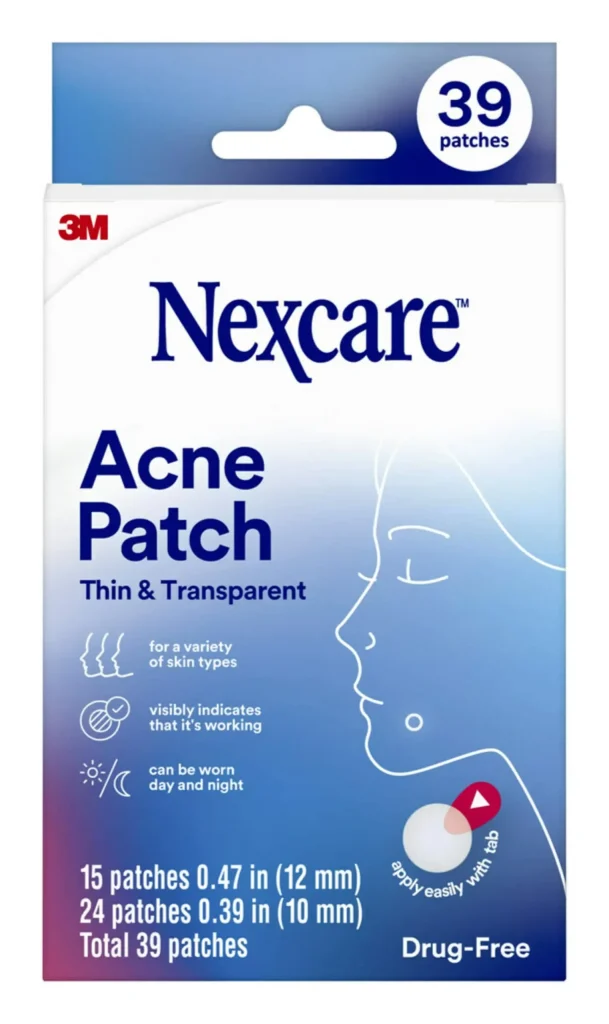
skincare patches have transformed the way we tackle targeted skincare, fitting into busy routines with minimal effort. From acne patches to pimple patches, these tiny, adhesive layers promise practical solutions without the mess of traditional products. Hydrocolloid patches are especially popular for blemishes, creating a moist healing environment that can reduce inflammation and protect healing skin. Hydrating patches offer a quick moisture boost with humectants and ceramides, ideal for dry or stressed skin. This article explains what they are, how they work, and how to choose and use them effectively for daily routines.
In other terms, these adhesive treatment pads—also known as patch-based therapies or transdermal delivery sheets—bring actives directly to targeted zones. They work by creating a protective, permeable membrane that helps ingredients like salicylic acid, hyaluronic acid, or ceramides penetrate the surface. This approach emphasizes localized care over broad layers of cream, aligning with skincare goals for acne, dryness, or sensitivity. Whether labeled as hydrocolloid dressings, hydrogel strips, or moisture-boosting films, these tools share a common principle: precision, convenience, and fiber-like adhesion. As the market evolves, understanding these terms helps you compare products and pick patches that fit your routine.
Understanding skincare patches: What They Are and How They Work
Skincare patches are thin, adhesive layers designed to deliver active ingredients directly to a targeted area of the skin for a defined period. They come in forms such as hydrocolloid patches and hydrogel patches, with some advanced designs that slowly release serums or actives over hours. This patch-based approach aligns with the desire for simple, mess-free routines and supports quick, localized treatment for concerns like acne patches and dryness.
By providing a controlled delivery environment, patches minimize friction and mess while helping actives penetrate the outer layers. When choosing patches, look for ingredients that fit your goal, such as salicylic acid for breakouts, hyaluronic or glycerin for hydration, and soothing botanicals like aloe or centella asiatica to calm the skin.
Acne Patches and Pimple Patches: Protection, Healing, and Clarity
Acne patches and pimple patches offer a discreet, protective shield over blemishes. Built from hydrocolloid patches, they create a moist microenvironment that can absorb exudate, reduce inflammation, and shield the spot from picking or irritation. They are especially useful for whiteheads and small pimples, helping them heal more efficiently.
Some formulations pair the patch with active ingredients like salicylic acid, tea tree extract, or niacinamide to address bacteria, oiliness, and redness. Users often notice visible improvements overnight and appreciate the patch’s ability to be worn under makeup during the day without drawing attention.
Hydrating patches: A moisture-first skincare solution
Hydrating patches focus on moisture delivery. They contain humectants, ceramides, and hyaluronic acid, working as a delivering membrane that minimizes TEWL while hinting at deeper penetration. They are ideal for dry or dehydrated skin or after environmental stress.
Usage scenarios include post-procedure care, after sun exposure, or when the skin feels tight. Patches can be worn for a few hours or overnight and are often used as a quick, no-fuss boost that layers with serums and moisturizers without heavy creams.
Choosing the Right Patch: Material, Thickness, Adhesion, and Ingredients
Selecting the right material is key. Hydrocolloid patches provide moisture management and protection, while hydrogel patches deliver serums through a porous matrix. Patch size and thickness influence comfort and coverage, so consider small patches for pinpoint blemishes or larger formats for broader dryness.
Look for ingredients that support your skin goals, such as hydrocolloid for acne patches, salicylic acid for gentle exfoliation, niacinamide for inflammation, hyaluronic acid for hydration, glycerin as a humectant, ceramides for barrier repair, and soothing plant extracts. Avoid heavy alcohols, fragrance, or irritants if you have sensitive skin.
How to Use Skincare Patches in Your Routine: Step-by-Step Guide
How to use skincare patches in a routine: start with a clean face, dry, then apply patches to the target area, leaving them for the recommended duration—usually a few hours or overnight. For acne patches, place on clean blemishes and replace when no longer adhered or saturated. Hydrating patches can be applied to cheeks or forehead after cleansing and toning.
Many users layer patches under moisturizer or sunscreen, but follow product instructions to avoid slippage. Integrating patches with your existing routine creates minimal disruption and helps you address specific concerns without introducing heavy products.
Myths, Realistic Expectations, and Common Questions About Patches
Safety and efficacy: skincare patches deliver surface-level benefits and depend on skin type and consistency. They are not a substitute for medical treatment when needed, and results vary.
Myths and future trends: patches are evolving with smarter designs and longer-lasting adhesives, and we may see multi-active patches or barrier-supporting materials like ceramides. Patch testing on a small area is wise, and consult a dermatologist if you have infections or persistent issues.
Frequently Asked Questions
What are skincare patches and how do acne patches work?
Skincare patches are thin, adhesive layers that deliver active ingredients to a focused skin area. Acne patches and pimple patches are typically hydrocolloid patches that create a moist healing environment, absorb exudate, and protect the blemish from bacteria and picking. Other patches, including hydrating patches, may carry humectants and soothing actives for targeted care.
Are acne patches the same as hydrocolloid patches?
Acne patches are often hydrocolloid patches, but hydrocolloid patches refer to the material, not the label. Some acne patches also include actives like salicylic acid or niacinamide for anti-inflammatory and antibacterial benefits. In short, acne patches commonly use hydrocolloid technology, but not every hydrocolloid patch is marketed strictly as an acne patch.
Can hydrating patches help with dry or dehydrated skin?
Yes. Hydrating patches are designed to deliver humectants, hyaluronic acid, ceramides, and soothing botanicals directly to the skin, helping to restore moisture without a heavy cream layer. They are suitable for dry or dehydrated skin and can be worn for a few hours or overnight as a quick moisture boost.
How do I choose the right skincare patch for my skin type?
Match patches to your skin type and concern. For acne-prone skin, choose hydrocolloid acne patches to cover active breakouts. For dry or sensitive skin, opt for patches with hydrating ingredients and a gentle adhesive. Consider patch size, thickness, and adhesion, and always patch-test on a small area first.
How should I apply and remove skincare patches for best results?
Start with a clean, dry face. Apply the patch to the target area and leave it on for the product’s recommended time (usually a few hours to overnight). Remove gently when the patch no longer adheres or shows saturation. Hydrating patches can often be layered under moisturizer or sunscreen as directed.
Can skincare patches be used with other products in my routine?
Yes, but follow product guidelines to avoid slipping or reduced efficacy. Patches are designed to deliver actives directly to the skin, so apply serums or creams before or after patch use per label instructions. Patch testing remains a good precaution if you have sensitive skin.
| Aspect | Summary |
|---|---|
| What are skincare patches? |
|
| Common types and forms |
|
| How they work |
|
| Choosing the right patches |
|
| How to use skincare patches |
|
| Patch ingredients: what to look for and avoid |
|
| Safety, efficacy, and myths |
|
| Future trends |
|
Summary
Skincare patches offer a targeted, convenient way to deliver actives directly to the skin, making them a practical option for busy routines. They come in acne-focused hydrocolloid patches and hydrating hydrogel formats, delivering protection, moisture, and actives with minimal fuss. Choosing the right patches means matching skin type, patch size, and adhesion to your goals, and a quick patch-test helps prevent irritation. When used properly, skincare patches can simplify routines, reduce blemish visibility, and boost hydration, helping you achieve clearer, more comfortable skin with less effort.