
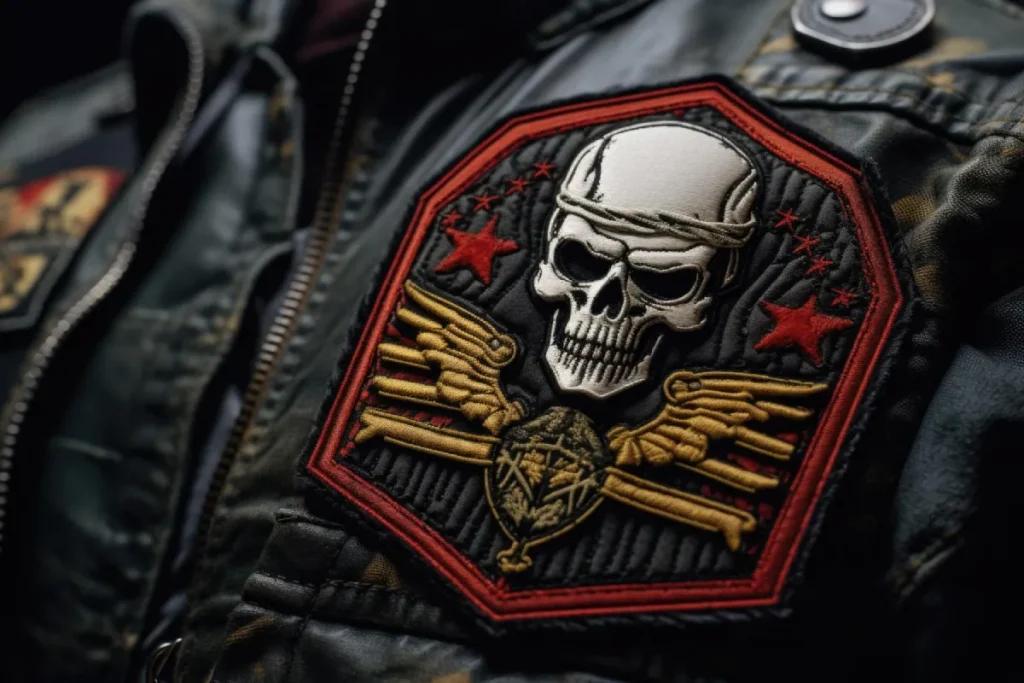
Military Origins of Embroidered Patches
Before becoming a staple in modern closets, Embroidered Patches served a purely functional and identifying purpose. Their modern history traces back to military organizations, where they were used to distinguish different units, ranks, and divisions. Soldiers would wear these durable insignias on their uniforms to showcase their specific affiliations and achievements on the battlefield. Following various global conflicts, surplus military gear flooded civilian markets. Youth demographics began purchasing these affordable, durable jackets and shirts, inadvertently bringing tactical embellishments into everyday fashion and setting the groundwork for future style revolutions.
The Rebellion of Seventies Punk Rock
The true crossover into rebellious pop culture began during the punk rock movement of the 1970s. Disenfranchised youth used clothing as a loud political statement. Fans would hand-sew Embroidered Patches featuring band logos, anti-establishment slogans, and chaotic artwork onto torn denim vests and leather jackets. This DIY aesthetic was a direct rejection of mainstream commercial fashion. By customizing their gear, punks created a unique visual language that communicated their musical tastes and social defiance, cementing the patch as an ultimate symbol of youthful rebellion.
Skateboarding and Streetwear Culture
As the decades progressed, the punk DIY ethos heavily influenced the rise of skateboarding aesthetics in the 1980s and 1990s. Early skate brands needed cost-effective ways to brand their apparel and build community loyalty. They turned to colorful patches to decorate heavy-duty workwear, hats, and backpacks. This era birthed the modern Streetwear Culture we recognize today. Skaters wore these branded emblems as badges of honor, signaling their belonging to a specific counterculture. The rugged nature of the threads perfectly matched the physically demanding lifestyle of the skate community.
Hip Hop Influence on Denim and Jackets
Simultaneously, the booming hip hop industry adopted heavily customized apparel as a core element of its visual identity. Artists and fans alike utilized bold, oversized Embroidered Patches to decorate baggy denim jeans and bomber jackets. This trend was about flaunting success, representing local neighborhoods, and standing out in a crowded music scene. The larger-than-life logos became synonymous with 1990s hip hop fashion, pushing custom apparel from underground subcultures directly into mainstream media and global pop culture consciousness.
High Fashion Adopts the Street Style
By the 2010s, luxury fashion houses could no longer ignore the immense global influence of urban style. High-end designers began incorporating premium patches into their runway collections, effectively blurring the lines between luxury and Streetwear Culture. Brands started using intricate embroidery to add a gritty, youthful edge to expensive garments. What was once a cheap DIY method for punk rockers and skateboarders had transformed into a highly coveted luxury design element, proving the timeless versatility of tactile garment embellishments.
Modern Pop Culture Collectibles
Today, these physical embellishments are celebrated as artistic collectibles within broader pop culture. From limited-edition releases by massive anime franchises to exclusive merchandise at music festivals, fans eagerly collect patches to personalize their bags and jackets. They serve as offline avatars, allowing individuals to curate their physical appearance based on their digital interests. The enduring appeal lies in their ability to transform any mass-produced, generic garment into a highly personalized, one-of-a-kind storytelling canvas.
Conclusion: A Legacy of Expression
In summary, the journey from tactical military gear to high-end runway fashion showcases a fascinating evolution. Embroidered Patches have consistently served as a vital tool for self-expression, identity, and rebellion across multiple generations. By actively shaping Streetwear Culture, these small pieces of threaded art have left an undeniable, permanent mark on global fashion. As trends continue to cycle and evolve, the desire to physically customize our clothing ensures that this historic art form will remain culturally relevant for decades to come.
Frequently Asked Questions
1. Why did punk rockers use patches?
Punks used them as a cheap, accessible DIY method to display band logos and anti-establishment political messages on their clothing.
2. Are they still popular in Streetwear Culture?
Yes, they remain a massive staple in urban fashion, utilized by both underground skate brands and major luxury fashion houses alike.
3. How do you apply them to denim jackets?
While many feature iron-on backings for convenience, sewing them directly into the heavy denim provides the most durable hold.
4. Can Embroidered Patches be washed safely?
Yes, high-quality embroidery threads are specifically designed to withstand standard washing machine cycles without fading or unraveling.
5. Why are they considered collectibles today?
Many brands release limited-edition designs in small batches, creating artificial scarcity that drives high demand among modern pop culture collectors.