
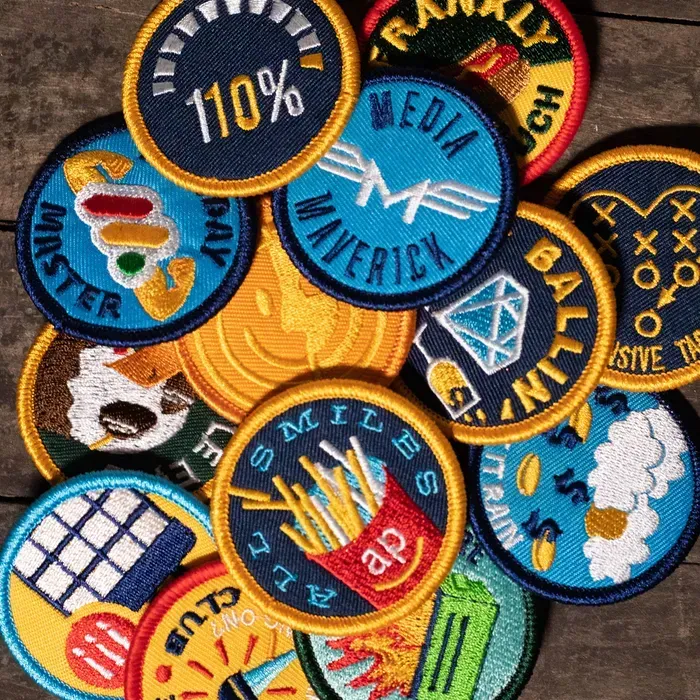
custom patches define a durable, portable expression of identity. From jackets to backpacks, a well-designed patch becomes a tangible symbol. This guide covers the steps to design patches and attach patches to clothing. Consider iron-on patches as a quick option, or sew-on backing for durable wear, and DIY patches for personalization. With a clear concept, strong proofs, and a fast path from design to delivery, you will bring ideas to life.
In other words, these decorative identifiers function as badges, emblems, and insignias that signal belonging and aesthetics. Thinking in branding terms, you might design custom patches, and choose an appropriate backing. For projects that go live on jackets or bags, consider order custom patches online to compare options. Iron-on patches and PVC options deliver durability, while DIY patches offer personalized possibilities. Care, laundering, and long-term wear considerations help ensure lasting impact. These considerations help you plan ahead, avoid common mistakes, and deliver patches that wear well.
Designing Your Custom Patches: From Concept to Production
Designing your custom patches starts with a clear concept. Consider the shape, size, color palette, and the message you want to convey, as these choices set the foundation for manufacturability and visual impact. When you design custom patches, you control every detail—from the logo treatment to stitching style and backing—so your patch aligns with branding, team identity, or personal aesthetics.
In this phase, think about practical elements like artwork format and scalability. Vector files (AI, EPS, PDF) ensure precise stitching and clean edges, while high-resolution raster artwork (at least 300 dpi) can work for proofs. Planning ahead with simple designs and bold contrast tends to yield the most durable results, regardless of whether you plan for embroidered, woven, or PVC patches.
Choosing Patch Types and Backing: Embroidered, Woven, PVC, and Iron-On Patches
Patch type directly influences texture, detail, and durability. Embroidered patches offer a classic, durable look with pronounced texture, while woven patches provide finer detail and a softer hand for intricate logos or small text. PVC patches deliver a modern, raised finish with bold colors that stand up to outdoor wear.
Backings complete the wearability equation. Iron-on backing provides quick, temporary attachment, whereas sew-on backing offers long-term durability for garments subjected to frequent washing. Velcro-backed patches add versatility for interchangeable branding on bags or jackets, helping you update visuals without replacing the whole patch.
How to Order Custom Patches Online: A Step-by-Step Guide
Ordering patches online typically follows a straightforward workflow: prepare artwork with clear color specs, choose patch type and backing, determine size and quantity, request proofs, and place your order online. This process makes it easy to compare options, estimate shipping, and track production progress from start to finish.
To avoid surprises, request digital proofs before production and specify color references (Pantone or RGB) to ensure accuracy. Online ordering platforms are convenient for revising stitch counts, edges, and backing choices, helping you balance budget with the quality you expect for your patch project.
Attaching Patches to Clothing: Iron-On, Sew-On, and Velcro Methods
Attaching patches is where design meets daily wear. Iron-on patches offer a fast solution for casual garments and temporary branding, requiring proper heat and pressure guidance to secure the bond. For items that endure frequent washing, sew-on patches provide superior durability with a tight stitch around the border.
If you need flexibility, Velcro-backed patches enable easy swapping of mission or event patches on the same garment. Practical tips include preparing the fabric surface, marking placement, testing on scrap fabric, and following care guidelines to preserve color and adhesion during laundering.
Sizing, Color, and Proofing for Perfect Patches
Getting sizing right is crucial: patches typically range from 1 to 4 inches, with larger options for jackets or bags. Define color accuracy early by providing Pantone or RGB references, and request proofs to validate stitch counts and edge finishes before full production.
Proofing minimizes surprises when patches arrive. Digital proofs let you review layout, while physical samples or fabric swatches offer a tactile check on real materials. This step is essential for teams, clubs, and brands that rely on consistent branding across multiple items and applications.
DIY Patches: Creative Ideas for Teams, Clubs, and Brands
DIY patches empower groups to express identity with a hands-on, customizable approach. Whether designing for a school club, a sports team, or a small business, crafting your own patches encourages ownership and creativity while staying within budget.
From concept sketches to finished accessories, DIY patches can be produced in batches for events, merchandise drops, or limited-edition runs. Embracing DIY patches also supports experimentation with patch types, backing options, and attachment methods—letting you iterate quickly and discover what resonates with your audience.
Frequently Asked Questions
How do I design custom patches for my team or brand?
Start with shape, size, colors, and clear artwork. Use vector files (AI, EPS, PDF) for precision, and draft a few concepts before finalizing. Designing custom patches should balance legibility, branding colors, and manufacturability for a durable, high-quality result.
What should I consider when order custom patches online to get the best result?
Prepare artwork with color specs (Pantone or RGB), choose embroidery, weaving, or PVC, and pick a backing (iron-on, sew-on, or Velcro). Request proofs before production and decide on size and quantity to optimize cost and turnaround when you order custom patches online.
How do iron-on patches compare to sew-on options for attaching patches to clothing?
Iron-on patches offer quick, convenient application for casual wear, while sew-on patches provide greater durability for items that are washed often. For DIY patches or reusable branding, consider Velcro-backed options and test the application on a scrap fabric first to ensure a strong bond.
Which patch type and backing should I choose for custom patches in terms of durability and visibility?
Embroidered patches provide texture and lasting durability; woven patches capture fine detail; PVC patches offer bold color and weather resistance. Backing options (iron-on, sew-on, Velcro) affect ease of use and care, so pick based on garment type and washing conditions.
What steps improve color accuracy when ordering custom patches online?
Provide vector artwork and specify color codes; request a digital proof to verify stitch counts and color accuracy; confirm Pantone references if color precision is critical, and review proofs carefully before production.
What common mistakes should I avoid when designing DIY patches or ordering first batches of custom patches online?
Avoid underestimating patch size, skipping proofs, and choosing mismatched backing. Start with simple designs, test on similar fabrics, and order a small batch to validate design, color, and attachment performance before full production.
| Aspect | |
|---|---|
| What are custom patches? | Tangible, durable graphics worn on clothing or gear; customizable shape, size, color, stitching style, and backing for long-lasting branding or personal expression. |
| Why create custom patches? | Provide belonging and identity; control over design to match branding; durable alternatives to decals; cost-effective visibility for teams, clubs, and brands. |
| Three design phases | Design: concept, artwork, size, color, and backing; Order: proofs, size, quantity, color specs; Attach: iron-on, sew-on, or Velcro options. |
| Design considerations | – Shape and size: circles, shields, squares; consider legibility and proofs. – Colors: high contrast; include Pantone references for accuracy. – Artwork format: use vector files (AI, EPS, PDF); raster images should be high-resolution (≥300 dpi). – Stitching/edging: embroidery with merrow edges or PVC with defined borders. – Text/typography: legible fonts; limit characters for small patches. |
| Patch types & backing | Embroidered, woven, and PVC patches. Backings include iron-on, sew-on, and Velcro. Choose based on durability, application, and use case. |
| Sizing, color, proofs | Provide vector artwork and color codes; request digital proofs to verify stitch count, color accuracy, and edge finish before production; finalize size and quantity for ordering. |
| Attaching patches | Iron-on for quick application; sew-on for durability; Velcro for removable branding. Prepare fabric, position with tape, test on scraps, and follow care instructions after attachment. |
| Common pitfalls | Underestimating size; ignoring color accuracy; skipping proofs; selecting the wrong backing for the item—verify garment type and care conditions before ordering. |
| Applications & inspiration | Used for sports teams, clubs, events, or brand merchandise. Patches enable one-off pieces or recurring lines, offering flexibility and collectability. |
Summary
custom patches offer a versatile, durable way to express identity across clothing and gear. This summary captures the journey from design to delivery: ideation, specification, and proofing during design; clear options for order and color accuracy; and reliable attachment methods for lasting wear. By understanding patch types, backing options, and practical application tips, you can plan a patch project that aligns with your goals, whether for a team, club, or brand. Start with concept sketches, prepare production-ready artwork, and choose the patch type and backing that best fit your needs to achieve high-quality, enduring results with custom patches.