
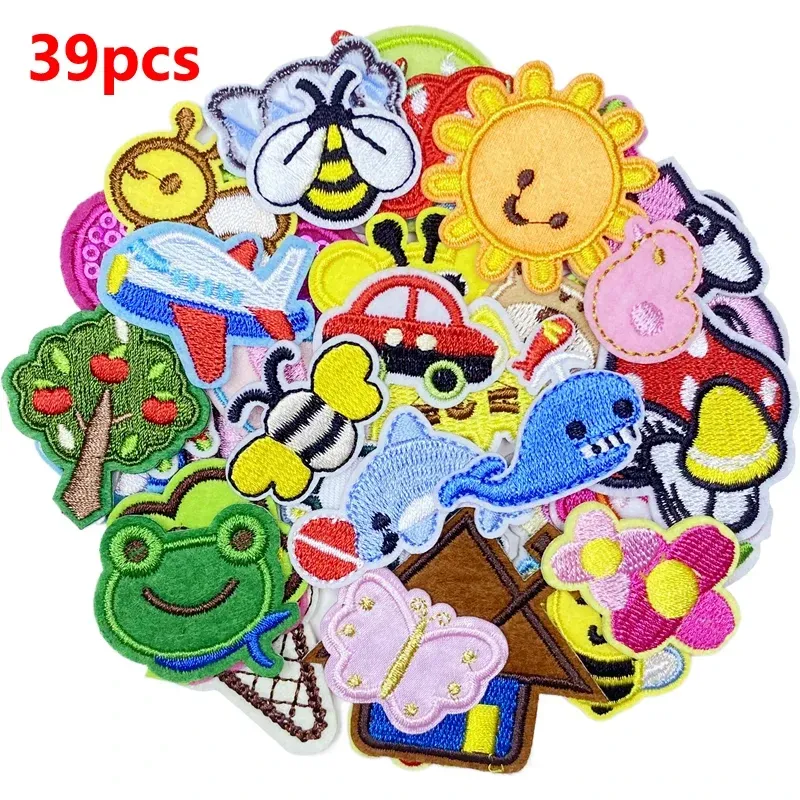
Patches for Kids turn ordinary clothing into a canvas for imagination, blending creativity with practicality. This approach invites children to participate in design, transforming everyday wear into personalized statements. Patches are both decorative and functional, offering a simple way to extend the life of garments. When safety is prioritized, the activity becomes a shared learning experience about texture, color, and coordination. In this guide you will discover how to choose materials, apply patches, and care for patched garments while keeping the process kid-friendly.
In modern classrooms and at home, garment embellishments for children offer a hands-on way to personalize outfits while teaching creativity and responsibility. By inviting children to choose compatible designs and apply DIY clothing patches, you transform a simple wardrobe update into a crafty learning moment. Choosing materials carefully and following safe patches for kids clothes guidelines ensures durability, washability, and kid-friendly use of patches. As ideas expand, parents and educators can explore a variety of designs—from animals and letters to science icons—while keeping the focus on safety. This approach blends creativity with practical skills, turning clothing into a canvas for self-expression and a practical classroom activity.
Patches for Kids: Creative and Durable Wardrobe Transformations
Patches for Kids provide a creative, durable way to extend clothing life and celebrate individuality. They transform ordinary outfits into personal statements and give kids a canvas for self-expression. When you select patches for kids that are soft, durable, and washable, you create a wearable project that blends creativity with practicality, turning patch ideas into a shared experience—think animals, letters, space themes, and other fun patch ideas for kids.
Involving children in choosing patches helps with decision-making and planning. Patches become a shared activity that builds fine motor skills and confidence, especially when you prioritize safe patches for kids clothes through non-toxic materials and clear safety guidelines. This collaborative process makes patching a meaningful craft and a memorable experience for families and classrooms.
Safe Materials and Finishing: Choosing Durable, Kid-Friendly Patches
Choosing materials sets the safety baseline. For patches for kids, favor soft cotton blends, gentle textures, and edges that won’t irritate delicate skin. When using iron-on options, verify the adhesive is non-toxic and designed for children’s fabrics; sew-on patches remain a reliable, heat-free alternative that often lasts longer through rough play. Safe patches for kids clothes are most dependable when you test fabric compatibility and verify washability before applying.
Edge finishing and instructions matter. Patches with tightly finished edges resist fraying and stay attached longer. If you use glue or heat-activated adhesive, follow the manufacturer instructions and test a small area first to avoid color transfer or fabric damage. If in doubt, start with sew-on patches for the safest long-term hold and add iron-on patches later under supervision.
DIY Clothing Patches: Ideas, Patterns, and How to Start
Exploring DIY clothing patches invites endless creativity. From animals and nature to letters, space themes, and abstract patterns, these ideas align with fun patch ideas for kids and the concept of DIY clothing patches. Choose designs that suit the garment and the child’s interests, keeping scale and weight in mind for comfort.
Plan layout and material choices. Discuss patch order, color coordination, and whether to use iron-on, sew-on, or removable options. This two-step planning supports learning in sequencing, measurement, and design while letting kids experiment with textures.
Applying Patches: Iron-On, Sew-On, and Removable Options for Everyday Wear
Patch application methods vary in permanence and learning value. Iron-on patches offer quick results for beginners, while sew-on patches provide a hands-on sewing activity that tends to last longer under tough wear. Removable options like Velcro patches let kids swap designs, making patches more versatile for school uniforms or changing seasons.
Safety and supervision are essential. Always follow product instructions and test patches on a small area first. Use protective barriers such as a pressing cloth, and guide children through each step to prevent burns or fabric damage. This approach keeps patches for kids practical and kid-friendly.
Educational and Social Benefits of Patch Projects with Kids
Patch projects blend creativity with learning. Kids practice sequencing and spacing when planning layouts, and fine motor skills improve through sewing or pressing. Beyond technique, these activities foster decision-making, collaboration, and patience, illustrating how patches for kids can be powerful educational tools.
Classroom or family projects create social bonds and personal achievement. Whether decorating a jacket as a group or individual patches that express personality, these activities reinforce responsibility and pride. Patches for kids become tangible reminders that clothing can be a canvas for imagination and identity, something that resonates with both kids patches and caregivers.
Care, Longevity, and Maintenance of Patched Garments
To maximize life span, treat patched garments with gentle care. Wash cold, use mild detergents, and turn items inside out to minimize abrasion on patches. For iron-on patches, avoid high heat in the dryer and prefer air drying; sew-on patches fare well in cooler cycles with careful thread maintenance.
Troubleshooting and upkeep are part of the routine. Inspect patches for loose edges, resecure with stitching or reapply patches as needed, and handle children’s garments with patience during washing. With consistent care and the right materials, patches for kids clothes stay vibrant and durable, supporting long-term wear and creativity.
Frequently Asked Questions
What are Patches for Kids and how can they benefit children’s clothing and creativity?
Patches for Kids are decorative and functional fabric pieces you attach to clothing to extend wear and let children express themselves. They support creativity, build fine motor skills, and boost confidence when kids participate in choosing patches. This aligns with fun patch ideas for kids.
How do I choose safe materials for patches for kids clothes?
When selecting patches for kids clothes, prioritize safe materials that are soft, non-irritating, and washable. Natural fibers like cotton blends are gentle on skin and durable. If using iron-on patches, ensure the adhesive is non-toxic; sew-on patches provide a long-lasting hold. For younger children, choose patches with minimal bulk and tightly finished edges, a key factor in safe patches for kids clothes.
What patch options work best for kids’ clothing and how do I decide between iron-on, sew-on, Velcro, or DIY clothing patches?
Patches come in several options: iron-on, sew-on, Velcro, and glue-on. For a durable, kid-friendly option, sew-on patches or Velcro patches allow easy updates. Iron-on patches are quick but may lift with heat; DIY clothing patches can combine both approaches. Consider age, garment, and activity when choosing patches for kids.
How can I use Patches for Kids in learning or classroom activities?
Use Patches for Kids to turn learning into a hands-on project. In classrooms or at home, have kids plan layouts, choose patches that reflect interests, and apply them under supervision. This reinforces decision-making and fine motor skills and yields plenty of fun patch ideas for kids.
What is a simple step-by-step guide to applying patches to clothes for kids?
Step-by-step: plan the layout; prepare the fabric; attach using iron-on or sew-on methods; secure edges with stitching if needed; cool and test; wash and care. Patches for Kids guide ensures safety and a durable finish.
How should I care for patched garments to maximize longevity and safety?
Care for patched garments by washing cold and on gentle cycles, turning inside out, and avoiding high heat that can damage adhesives. Air-dry when possible and promptly trim loose threads. Use safe patches for kids clothes and follow manufacturer instructions to maximize longevity.
| Topic | Key Points |
|---|---|
| Purpose of patches | Extends clothing life, enables self-expression; emphasizes safety and shared, kid-friendly activity. |
| Benefits for kids | Builds fine motor skills, confidence, planning, and ownership; introduces sewing concepts through playful practice. |
| Safe materials | Soft, non-irritating fabrics; natural fibers; non-toxic adhesives; sew-on as a durable option; avoid bulky designs for younger kids. |
| Patch options | Iron-on, sew-on, Velcro/hook-and-loop, and glue-on; choose based on age, care needs, and permanence. |
| Application methods | Plan layout, prepare fabric, apply via chosen method, secure edges, test bond, and follow care steps. |
| DIY ideas | Ideas include animals, letters, space, sports, characters, and abstract shapes; suitable for classrooms or family projects. |
| Care and longevity | Wash gently (cold), turn inside out, avoid harsh detergents; air dry or low heat; resecure edges as needed. |
| Involvement and education | Kids choose patches, learn decision-making, sequencing, and collaboration; patches become learning experiences. |
| Safety and troubleshooting | Use non-toxic materials; supervise heat-based methods; watch for fraying or color transfer; reattach securely if needed. |
Summary
Patches for Kids offers a playful and practical way to extend clothing life while letting children express themselves. This descriptive overview highlights safety, materials, methods, and activities that empower kids, caregivers, and teachers to co-create durable, personalized outfits. By choosing kid-friendly patches, involving children in design and application, and following care guidelines, patches become a learning project that boosts creativity, motor skills, and confidence.