
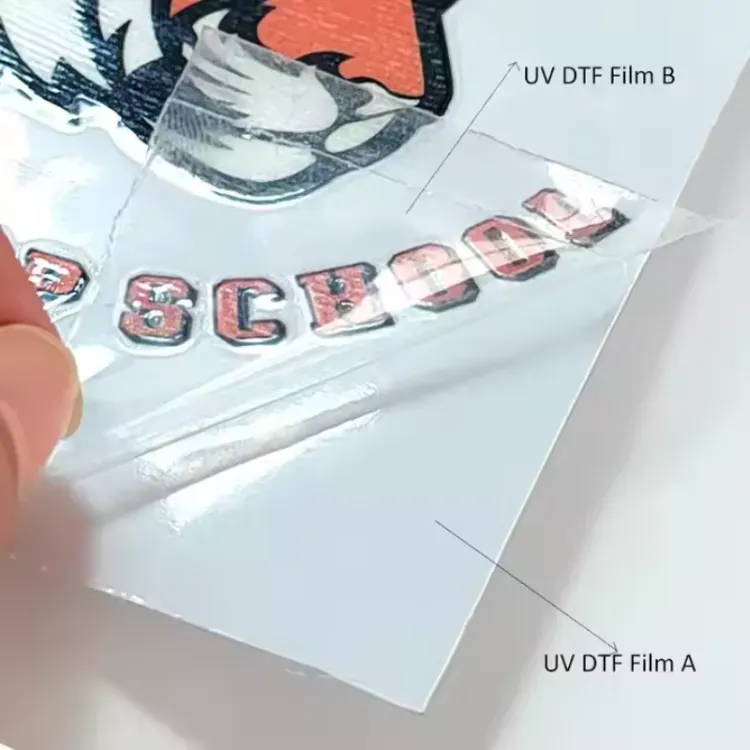
UV DTF transfer materials are reshaping how creators achieve vibrant, durable prints across textiles, plastics, and other substrates. This guide explains UV DTF ink compatibility, the nuances of DTF transfer paper types, and how to choose transfer materials to influence color fidelity and wash fastness. Understanding substrate compatibility and curing parameters helps you optimize durability without sacrificing print quality. Testing swatches on representative fabrics and surfaces reduces rework and confirms performance under real-world conditions. Following the UV DTF printing materials guide ensures a balanced approach to cost, speed, and longevity.
From a broader perspective, consider UV-curable ink systems and the various transfer media that carry images to fabric, plastic, or metal. When evaluating options, you’ll hear terms like substrate compatibility, film versus paper, and adhesive behavior, all of which shape durability and hand feel. In practice, makers compare DTF vs UV DTF materials to decide which approach best fits their production speed, budget, and long-term wear resistance.
UV DTF transfer materials: compatibility fundamentals
In UV DTF projects, the transfer materials form a system that includes the substrate, UV-curable inks, transfer paper or film, the adhesive, and any post-transfer coatings. The success of a print hinges on how well these elements play together. A key starting point is evaluating UV DTF ink compatibility with your chosen transfer medium and substrate, since mismatches can cause color shifts, adhesion issues, or incomplete transfers.
Understanding end-use requirements helps guide material selection. Are you printing garments, hard surfaces, or flexible items that will see frequent washing or sunlight exposure? This context informs the balance of cost, performance, and production speed. A practical UV DTF printing materials guide begins with compatibility checks and moves into real-world testing on representative products.
Ink compatibility and color fidelity in UV DTF transfers
The core of color fidelity is UV DTF ink compatibility: how well the inks bond, cure, and retain brightness after transfer. Seek inks with a wide color gamut, strong white opacity, and durable adhesion to common textiles and hard surfaces to ensure vibrant, lasting results.
For projects on dark fabrics or with complex gradients, verify that the ink system preserves brightness after curing and transfer. Testing a few swatches on target materials can reveal issues early, reducing waste and ensuring consistent color on final products.
DTF transfer paper types and film choices for optimal results
DTF transfer paper types vary in thickness, coating, and porosity, and these factors significantly affect ink saturation, edge detail, and transfer release. When evaluating materials, assess how well the paper holds white underbase and how cleanly it releases from the liner during heat transfer.
Transfer films differ in flexibility and stretch. Some jobs need a very thin film for a soft hand on fabrics, while others benefit from a sturdier film for rigid substrates. Consider the adhesive system and liner quality as well, since these influence bond strength, residue, and overall handling during production.
How to choose transfer materials: a practical workflow
How to choose transfer materials starts with a simple, repeatable workflow: define the substrate, match the ink system, select compatible transfer paper or film, and confirm adhesive compatibility. This approach helps prevent surprises during production and improves cost estimation.
Outline concrete steps: identify the substrate (cotton, poly blends, plastics), ensure the ink and transfer medium pairing preserves color integrity on both light and dark surfaces, choose the film or paper based on desired hand feel, and validate adhesive performance with wash and wear tests. Finally, test and iterate with swatches before committing to larger runs.
UV DTF printing materials guide: durability, coatings, and safety
A comprehensive guide to UV DTF printing materials covers durability, UV stability, and curing parameters. Plan long-term tests for colorfastness and substrate resistance, and include finishing coatings or top coats that enhance durability under real-world conditions.
Safety and environmental considerations matter too. Some UV DTF materials include VOCs or emit fumes during curing. In small workspaces, prioritize safer formulations, ensure adequate ventilation, and follow manufacturer guidelines for curing times and temperatures to protect workers and customers.
DTF vs UV DTF materials: understanding performance differences
DTF vs UV DTF materials present different strengths due to ink chemistry, curing methods, and transfer parameters. UV-curable inks cure instantly under UV light, which can speed up production and reduce drying time between steps, but may require adjusted heat and pressure settings during transfer.
Choosing between DTF and UV DTF materials often depends on end-use requirements, equipment availability, and workflow preferences. In some cases, UV DTF materials offer faster turnaround and stronger cure on certain substrates, while traditional DTF materials may provide cost advantages for high-volume production. Pilot both approaches on representative products to determine which combination delivers the most consistent results for your business.
Frequently Asked Questions
What are UV DTF transfer materials and what components do they include?
UV DTF transfer materials refer to the combined set of inks, transfer papers or films, adhesives, substrates, and coatings used in UV DTF projects. To achieve consistent results, ensure UV DTF ink compatibility with the chosen transfer paper or film and with the substrate, guiding color accuracy and adhesion for durable prints.
How does UV DTF ink compatibility affect color fidelity and adhesion?
UV DTF ink compatibility describes how well inks bond with the transfer material and the substrate. Poor compatibility can cause dull colors, poor adhesion, or edge issues. Check ink viscosity, cure speed, and drying time, and test swatches on your target substrates to verify performance.
What are the main DTF transfer paper types for UV DTF transfer materials and how do they affect transfer quality?
DTF transfer paper types vary by thickness, coating, and porosity, all of which influence ink saturation, white underbase stability, and clean release during transfer. Choose paper types that align with your ink system and substrate, and consider pairing with suitable transfer films for optimal results.
How to choose transfer materials for UV DTF projects?
How to choose transfer materials follows a practical workflow: define the substrate, match the UV DTF ink system, select compatible transfer paper or film, verify adhesive compatibility, and test on representative samples to confirm color, adhesion, and durability.
What is the UV DTF printing materials guide and how can it help?
The UV DTF printing materials guide provides a framework for evaluating inks, papers, films, adhesives, and finishes. Use it to perform compatibility checks, plan real-world tests, and optimize curing and handling to achieve durable, vibrant prints.
DTF vs UV DTF materials: what are the key differences when selecting components?
DTF vs UV DTF materials differ in ink chemistry, curing methods, film flexibility, and adhesive behavior. UV-curable inks cure instantly under UV light, enabling faster production but potentially requiring different heat/pressure during transfer. Evaluate end-use needs, substrate, and pilot both approaches to determine the best material combination.
| Topic | Key Points | Practical Considerations |
|---|---|---|
| Core concept and components | Materials include substrate, UV-curable inks, transfer paper/film, adhesive, and finishes; all must work in harmony. | Define end-use (apparel, hard surfaces, frequent washing) early; test compatibility. |
| Ink compatibility and color fidelity | Ink compatibility with paper/film and substrate; consider viscosity, cure speed, and drying time; aim for robust color gamut and white opacity. | Test swatches on target materials; verify brightness after cure and transfer. |
| DTF Transfer Paper Types and Film Choices | Paper types vary in thickness, coating, and porosity; films differ in flexibility; adhesive and liner quality matter. | Evaluate color density, white underbase, and clean release from liner; choose film for soft hand or rigidity as needed. |
| How to Choose Transfer Materials: Practical Workflow | Define the substrate; match the ink system; select compatible transfer media; validate adhesive; test & iterate. | Follow steps 1–5: define substrate, ink compatibility, media choice, adhesive validation, and iterative testing. |
| Benefits and Trade-offs of Different UV DTF Transfer Materials | Budget options, high color fidelity, rugged durability, and soft-hand finishes each have trade-offs in cost, durability, and hand feel. | Align material choice with project goals (cost vs. durability vs. feel); anticipate performance trade-offs. |
| Substrates and Surface Prep | Clean, prepared substrates; textiles pre-wash and heat setting; hard surfaces clean/dry; consider primers if recommended. | Pre-wash textiles; clean hard surfaces; follow substrate-specific prep guidelines; review adhesion if issues occur. |
| Quality Assurance and Long-Term Considerations | Durability, UV stability, colorfastness; storage shelf life; curing parameters; VOCs and ventilation. | Follow manufacturer guidelines; conduct long-term tests; ensure proper curing and ventilation. |
| DTF vs UV DTF Materials: Understanding the Differences | UV-curable inks cure instantly under UV light, affecting production speed and transfer parameters; evaluate film, adhesive, and coatings. | Pilot both approaches on representative products to determine the best fit for end-use requirements. |
| Checklist for Selecting UV DTF Transfer Materials | Define substrate types; confirm ink compatibility; evaluate adhesive; test color accuracy and white underbase; check durability; assess workflow and total cost. | Use as a quick reference during material selection and testing. |
Summary
Conclusion: UV DTF transfer materials require careful pairing of inks, films/papers, adhesives, and substrates to deliver durable, vibrant results. By evaluating compatibility, substrate suitability, curing parameters, and end-use conditions, printers can optimize color fidelity, wash-fastness, and overall longevity of UV DTF prints. Pilot testing ink compatibility and material combinations on representative items helps surface issues early, while following manufacturer guidelines and considering environmental factors (such as washing, sunlight exposure, and ventilation) supports consistent outcomes. As the market introduces new UV DTF transfer materials and related products, ongoing testing and workflow refinement will help maximize print quality, minimize waste, and grow profitability and customer satisfaction in UV DTF projects.