
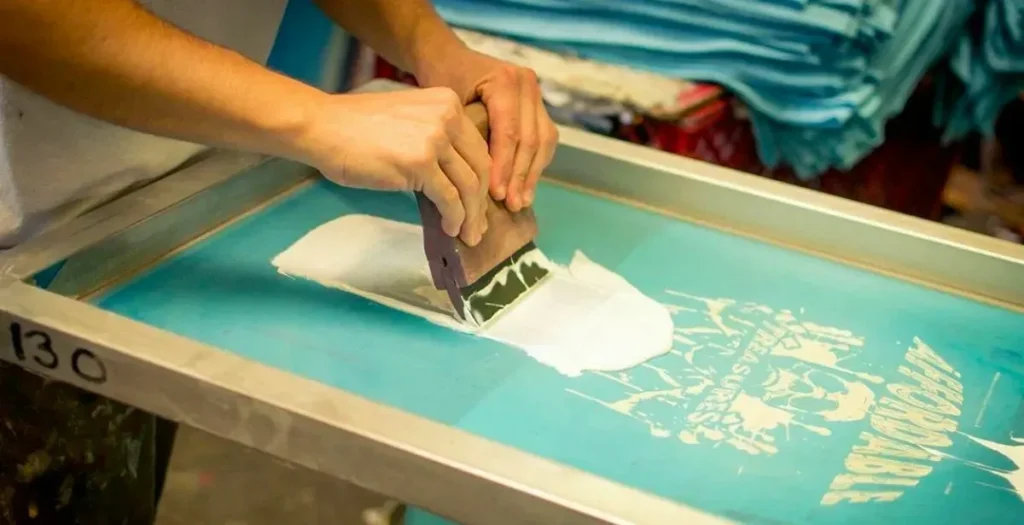
If you want to start a screen printing business, you can turn your creativity into a reliable income by following a practical, step-by-step plan that keeps risk manageable, accelerates learning, and clearly outlines what to do first, what to do next, and how to measure progress along the way. The journey is approachable for artists and aspiring entrepreneurs when you define a lean startup mindset, map your process from artwork to finished shirt, establish standard operating procedures, invest in basic training, and commit to repeatable production systems that scale as demand grows and margins tighten. A concise screen printing business plan helps you articulate your value proposition, identify target customers, price intelligently, estimate margins, forecast cash flow, set milestones, and build contingencies, while keeping you focused on profitability, customer satisfaction, and long-term growth in a competitive market. As you estimate startup costs and outline essential screen printing equipment, you’ll gain a clearer picture of initial investments, ongoing maintenance, depreciation, utilities, space, insurance, and the pathways to high-quality output that wins repeat business and reduces waste. With a simple toolkit of templates, a robust portfolio of test prints, a scalable outreach strategy that blends local outreach with digital marketing, and a plan for branding and after-service support, you can move from concept to revenue and build a recognizable, service-driven screen printing operation.
Put simply, this venture can be described as a garment decoration service built around a repeatable workflow, a focused audience, and dependable production—from design to delivery. Think of it as building a small print studio where equipment, workflow, and customer relations align to deliver consistent results. From cost planning and equipment choices to client outreach and project management, the emphasis is on creating a scalable process rather than chasing one-off sales. By framing the venture as a repeatable production system, you can balance quality, speed, and cost while exploring channels such as wholesale partnerships, local collaborations, and online storefronts. This approach mirrors the resilience of a well-run print shop and lays the groundwork for sustainable growth in a competitive market.
Defining Your Niche and Crafting a Lean Screen Printing Business Plan
Define your target market and the unique value you bring to differentiate your service. A well-defined niche guides pricing, design capabilities, and marketing messages, ensuring you don’t become a generic printer. Your screen printing business plan should articulate the niche, value proposition, revenue streams, and milestones to guide early decisions.
With a lean mindset, validate demand through small pilot runs and feedback from potential clients. As you explore how to start a screen printing business, document your lean plan, test pricing, production capacity, and a realistic timeline to profitability so the plan remains actionable and focused.
Essential Screen Printing Equipment and Workspace Setup for a Lean Startup
Set the baseline with essential screen printing equipment: a reliable press (manual or semi-automatic), a set of meshes, squeegees, inks, emulsion, an exposure unit, a dryer or curing system, and a clean, well-ventilated workspace. Understanding how equipment choices impact startup costs helps you stay within budget while delivering quality prints.
As you grow, you may add a multi-color carousel press, automated washout sinks, and a larger curing oven. Investing in quality screen printing equipment saves time, reduces waste, and improves consistency—critical when you’re aiming for a professional look in early orders.
Budgeting Startup Costs and Financial Planning for a New Venture
Startup costs break down into equipment, inks, emulsion, screens, a basic exposure system, and a small workspace. Don’t overlook utilities, safety gear, sample garments, and packaging for clients. Create a straightforward budget that separates one-time purchases from ongoing expenses, and plan for a few months of operating cash to cover payroll and marketing.
Develop a simple cash flow plan to cover several months of operations, including potential payroll if you hire help, ongoing ink and supply costs, and marketing. Keep personal and business finances separate to simplify taxes and bookkeeping, which helps you price first jobs accurately and maintain healthy margins as you scale your screen printing business.
Legal, Licensing, and Business Setup for a Solid Foundation
Register your business, obtain required licenses, and set up basic accounting from day one. Choose a structure that fits your growth plans (sole proprietorship, LLC, or corporation) and separate business accounts to keep records clean.
Consider liability insurance and workers’ compensation if you plan to hire staff. Prepare clear client contracts and terms of service to protect both you and your customers as you begin to build a reliable reputation and a compliant operation.
Artwork, Setup, and Color Management for Consistent Quality
Artwork preparation is critical to print quality. You’ll need clean vector files, proper color separations, and a method to simulate prints before production. Effective color management reduces waste and reprints, saving startup costs while boosting client satisfaction.
Establish a simple production flow from design and film output to screen preparation, exposure, printing, curing, and packing. Create standard operating procedures for each color in multi-color jobs and build a concise brand style guide with fonts, color codes, and design elements so clients understand what you can deliver and how pricing aligns with complexity.
How to start a screen printing business: Marketing Strategies and Sales Channels to Grow Your Screen Printing Operation
Marketing strategies for a new screen printing business blend local outreach, portfolio building, and digital channels. Build a compelling sample library, reach out to local schools, clubs, indie brands, and event organizers, and showcase work on social media and a basic storefront. A focused plan aligns with the screen printing marketing strategies you’ll rely on to win first clients.
Explore diverse sales channels to reduce risk and grow revenue: direct orders via an e-commerce site, wholesale partnerships, brand collaborations, and event-based sales. Pair excellent customer service, fast turnaround, and transparent pricing with strategic marketing to scale sustainably, while navigating startup costs and production growth.
Frequently Asked Questions
How to start a screen printing business: what are the first steps?
To start a screen printing business, begin with defining your niche and building a lean screen printing business plan. Set a modest budget for essential screen printing equipment and a few months of operating costs. Then validate demand by printing a small portfolio, set pricing, and establish a dedicated workspace with proper ventilation. Finally, launch your marketing outreach to attract first clients and iterate based on feedback.
What should be included in a screen printing business plan?
Your screen printing business plan should outline your niche, value proposition, target customers, pricing strategy, and revenue streams. Include cost controls and a realistic path to profitability, plus a simple marketing plan to test demand. A strong plan also covers how you’ll acquire your first clients and how you’ll measure progress.
What startup costs should I plan for when starting a screen printing business?
Expect startup costs that cover equipment, inks, emulsion, screens, exposure units, and a basic workspace. Add ongoing expenses like utilities, safety gear, sample garments, and packaging. Create a budget that separates one-time purchases from recurring costs and reserves operating cash for 3–6 months to cover payroll and marketing as you grow.
Which screen printing equipment are essential to start a screen printing business?
Essential screen printing equipment includes a manual or semi-automatic press, a variety of meshes, squeegees, ink, emulsion, an exposure unit, and a dryer or curing system. Ensure proper ventilation and a clean, organized workspace. As demand grows, you can upgrade to a multi-color carousel press and a larger curing oven.
What screen printing marketing strategies work best for a new business?
Effective screen printing marketing strategies start with a strong portfolio and local outreach. Build relationships with schools, clubs, indie brands, and designers, and leverage online channels to reach broader customers. Use transparent quotes, showcase samples, and implement a simple pricing guide to win recurring work.
How can I set up operations to start a screen printing business and scale effectively?
To set up operations for a sustainable start to a screen printing business, design a workflow from design to packing. Define standard operating procedures for each color, implement color management, and enforce quality control. Create a dedicated, well-ventilated workspace and run test prints to validate registration before full production. Track results, iterate on your process, and use lean milestones to scale as you go.
| Step | Key Points |
|---|---|
| Step 1: Define Your Niche and Create a Business Plan | Define niche; lean business plan outlining value, target customers, revenue streams, pricing, profitability timeline. |
| Step 2: Research and Acquire Essential Equipment | Screen printing press, meshes, squeegees, ink, emulsion, exposure unit, dryer; ventilation; plan for future upgrades. |
| Step 3: Budget and Startup Costs | Estimate equipment, inks, screens, space, utilities; separate one-time vs ongoing costs; build operating cash and pricing strategy. |
| Step 4: Legal, Licensing, and Business Setup | Register business, obtain licenses, set up accounting; choose structure; separate accounts; consider insurance and clear client contracts. |
| Step 5: Workspace, Production Flow, and Safety | Dedicated, ventilated space; define workflow from design to packing; organized screens; ink handling; safety gear. |
| Step 6: Artwork, Setup, and Color Management | Clean vector files, color separations, simulate prints; create a simple brand style guide for consistency and pricing clarity. |
| Step 7: The Printing Process and Quality Control | Follow emulsion, exposure, printing, and curing steps; establish SOPs per color; run test shirts; monitor ink and color consistency. |
| Step 8: Pricing, Quotes, and Marketing Strategies | Pricing covers materials, labor, overhead, and margin; clear quotes; blend local outreach with online channels; build a strong portfolio. |
| Step 9: Sales Channels and Customer Acquisition | Direct orders, collaborations, wholesale, events; use bundles, limited runs, and effective communication to win and retain clients. |
| Step 10: Scaling, Automation, and Growth Tips | Scale thoughtfully with more screens or presses, consider automation, invest in training, optimize production scheduling, explore partnerships and new product lines. |
| Step 11: Common Mistakes to Avoid and How to Recover | Avoid scope creep, poor artwork prep, underestimated startup costs, and unsafe practices; address issues quickly with transparent fixes and process improvements. |
| Step 12: Quick-Start Checklist for Launching Your Screen Printing Business | – Define niche and write lean plan; – List equipment and buy gradually; – Set budget; – Register and bank; – Create workspace; – Prepare artwork and pricing guide; – Run tests and build portfolio; – Launch online storefront; – Track results and iterate. |
| Conclusion | A practical, step-by-step approach to building a screen printing business emphasizes market fit, disciplined budgeting, quality control, and continuous iteration to achieve sustainable growth. |
Summary
Description: An HTML table above summarizes the key points from the base content about starting and running a screen printing business, followed by a descriptive, SEO-friendly conclusion to encourage action.