Screen Printing

Screen Printing 101: Tools, Inks, and Techniques Guide

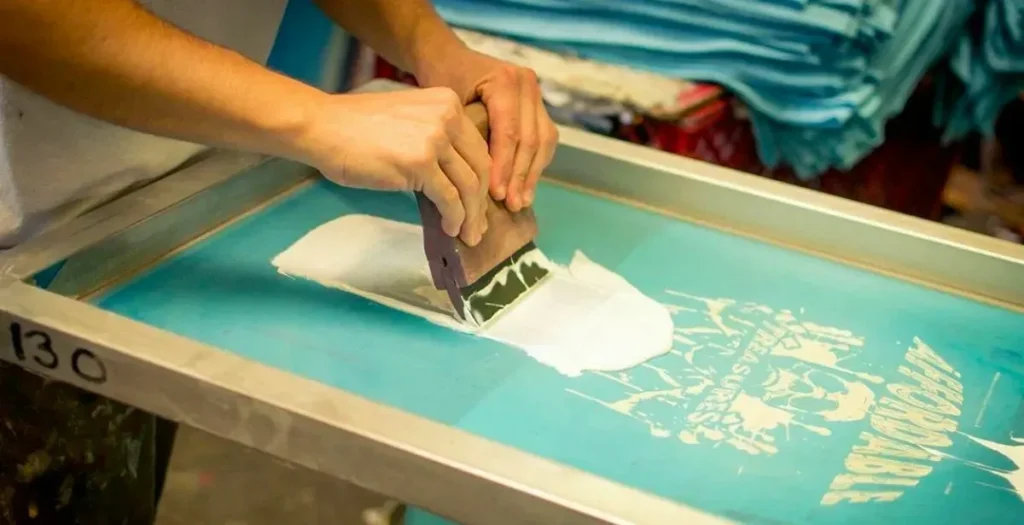
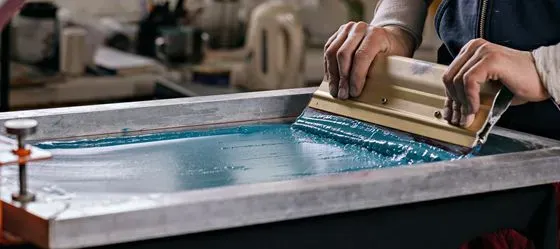
Screen Printing 101 opens the door to turning plain fabrics and surfaces into lasting, vibrant designs that endure wash after wash and remain bright for years.This approachable guide walks you through the core concepts, from choosing the right screen printing tools to selecting durable screen printing inks and mastering practical screen printing techniques for clean, repeatable results.

Screen Printing 101: Tools, Inks, and Techniques Guide Read More »

Advanced screen printing techniques Halftones Gradients Foil

Advanced screen printing techniques have transformed how designers and printers achieve rich visuals on apparel and substrates.By combining classic methods with modern applications, shops can reproduce photographic imagery, create seamless color transitions, and explore multi-color screen printing methods that elevate a garment’s perceived value.

Advanced screen printing techniques Halftones Gradients Foil Read More »

Start a Screen Printing Business: Step-by-Step Guide

If you want to start a screen printing business, you can turn your creativity into a reliable income by following a practical, step-by-step plan that keeps risk manageable, accelerates learning, and clearly outlines what to do first, what to do next, and how to measure progress along the way.The journey is approachable for artists and aspiring entrepreneurs when you define a lean startup mindset, map your process from artwork to finished shirt, establish standard operating procedures, invest in basic training, and commit to repeatable production systems that scale as demand grows and margins tighten.

Start a Screen Printing Business: Step-by-Step Guide Read More »

Screen Printing on Different Surfaces: Fabric to Glass

Screen Printing on Different Surfaces is an adaptable craft that lets designers and hobbyists transfer bold, durable graphics onto fabrics, woods, glass, and more.The core idea remains the same; ink is pushed through a finely prepared mesh stencil to create crisp edges and saturated color, yet the practical choices shift with surface texture, porosity, and finishing expectations, so printers must tune ink chemistry, squeegee pressure, mesh tension, and drying or curing strategies to fit each material: fabric, wood, glass, ceramic, plastics, and beyond, without compromising registration, hand feel, or long-term wear.

Screen Printing on Different Surfaces: Fabric to Glass Read More »

DIY Screen Printing at Home: Tools, Tips, and Tricks

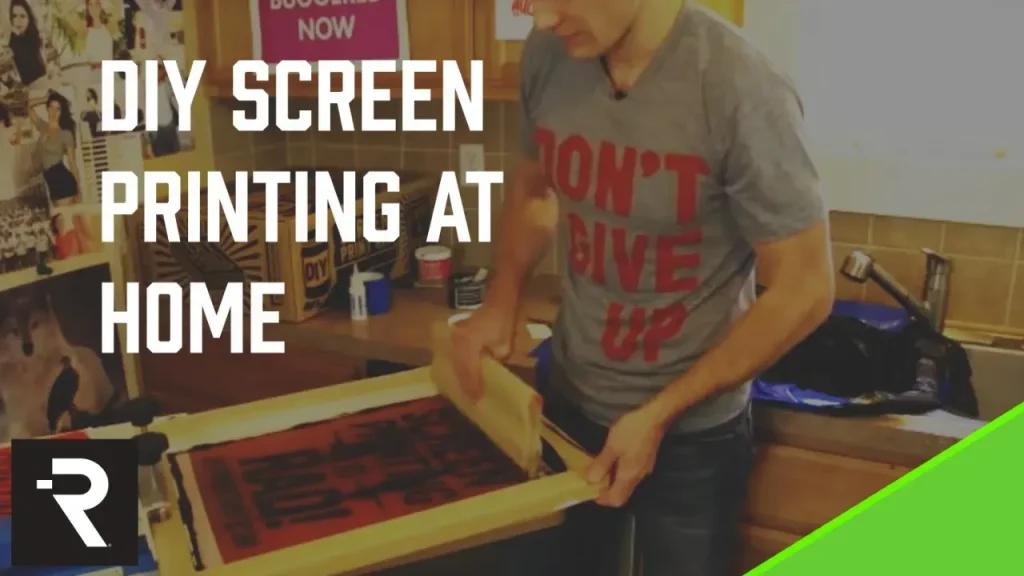
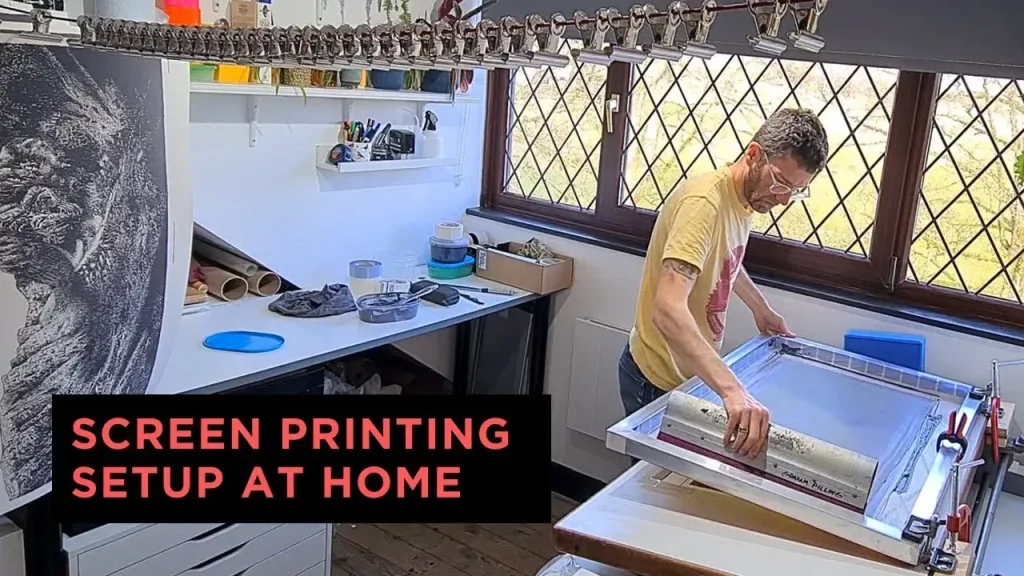
DIY screen printing at home has exploded in popularity among makers, artists, and hobbyists who want to transform blank tees, tote bags, posters, and signage into distinctive, durable prints that reflect their personal style.Starting with a thoughtful toolkit—screens with the right mesh count, a smooth squeegee, emulsion and remover, a reliable light source, and a stable workspace—your tools will stay organized and ready.

DIY Screen Printing at Home: Tools, Tips, and Tricks Read More »

Mesh Count for Screen Printing: How to Pick the Right Count

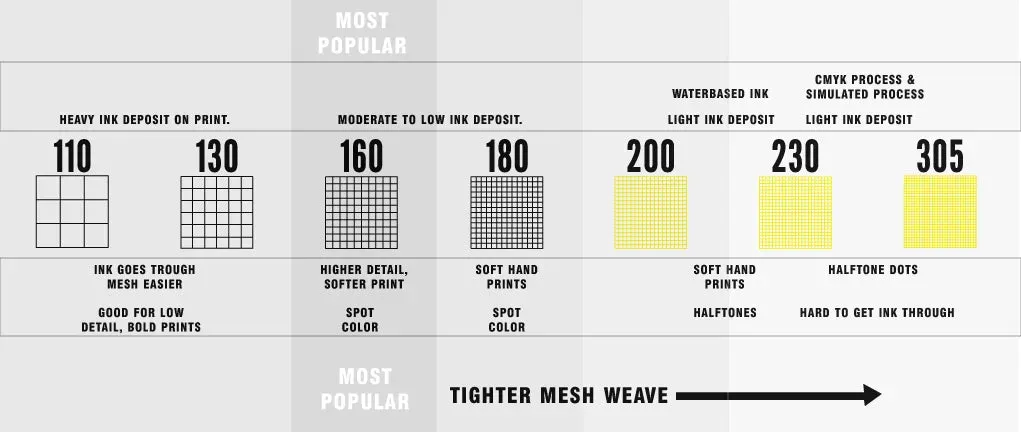
Mesh Count for Screen Printing is a foundational decision that determines how ink sits on fabric, how much detail survives in edges and lines, how crisp gradients appear, and how durable the final image will be after repeated washing, making it one of the most impactful choices you’ll make during screen-printing setup and preproduction planning.The mesh count you pick directly affects ink deposition, dot and line fidelity, and the perceived opacity, so selecting the right value is essential for production speed as well as color fidelity, while also determining opacity on challenging substrates, the ease of layering color stops, and the ability to reproduce tonal transitions cleanly.

Mesh Count for Screen Printing: How to Pick the Right Count Read More »

© 2026 PatchesElite.com