
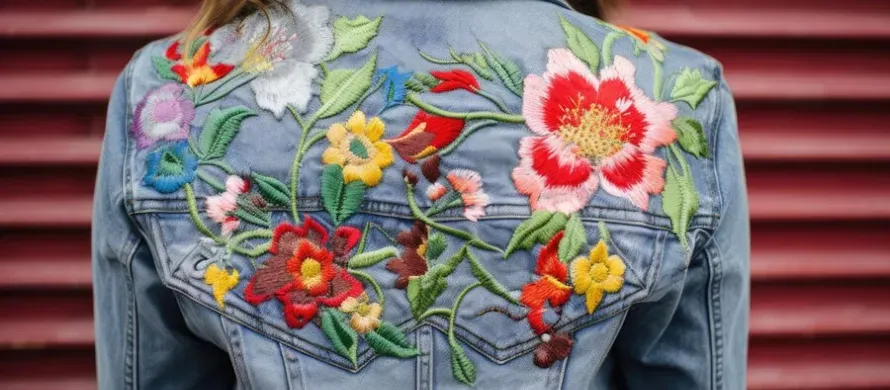
Patches for fashion and function are more than simple decorations. They are a practical, expressive tool for refreshing a tired wardrobe, repairing a worn item, or adding a pop of personality to gear you use every day. Whether you are patching a favorite denim jacket, customizing a backpack for travel, or turning a plain tee into a statement piece, patches offer a flexible path to style with a practical edge. This guide highlights easy applications like iron-on patches, balancing quick results with lasting hold. Explore patch styling ideas to mix colors and textures, creating cohesive looks that stand up to daily wear.
Beyond the fashion spotlight, patches are also known as fabric badges or decorative appliques that fuse identity with utility. They reinforce fabric, extend wear life, and let you brand your jackets, bags, and tees with personal meaning. An embroidery patches guide can simplify picking stitches, backings, and layouts for durable results. For denim updates, think durable backings and smart placement that balance protection with style. By mixing technique, texture, and intention, you turn ordinary gear into durable, expressive pieces that tell your story.
Patches for fashion and function: bridging style with practicality
Patches for fashion and function blend personal expression with everyday utility. They let you refresh a tired wardrobe, repair worn spots, or add a pop of personality to gear you use daily, like your favorite denim jacket or trusty backpack.
Whether you sew or heat-apply, patches serve as both durable reinforcements and decorative accents. Iron-on patches offer quick, beginner-friendly updates, while sew-on and embroidery patches provide lasting security and a premium tactile feel. The idea is to balance aesthetics with practicality, turning ordinary items into units that wear well and tell a story.
Iron-on patches vs sew-on patches: deciding the best approach for durability
Iron-on patches are fast and beginner-friendly, bonding to fabric with heat to deliver a clean edge in minutes. They’re ideal for quick updates on denim, canvas, and knitwear when you want results without stitching.
Sew-on patches require stitching but offer long-term security, especially on items that go through frequent washing or rough handling. Some patches combine heat-activated adhesives with a tailored stitch for added durability, a popular choice for everyday gear like backpacks and jackets.
Embroidery patches guide: texture, finish, and premium feel
Embroidery patches deliver texture and a premium tactile finish that printed patches can’t match. Raised stitches create depth and catch light, elevating a garment from simple to artisanal.
When choosing embroidery patches, consider backing and heat settings. Iron-on options add convenience but may require a longer cure time; sew-on versions depend on sturdy stitching—this is the embroidery patches guide in practice.
Patch styling ideas for denim and everyday gear
Patch styling ideas start with a plan: decide on a color story, then balance bold motifs with quieter accents. On denim, clusters on a front pocket, sleeve, or back panel create a strong focal point.
For backpacks and bags, vertical lines down the center or a curated collage on the front pocket keeps things legible and fashionable. Mix vintage patches with modern designs to achieve a retro-meets-contemporary vibe.
Patch durability care: maximizing longevity through washing and care
Maximize longevity by choosing robust materials and backing, and by treating patches like part of the fabric it’s attached to. Turn garments inside out, use a gentle wash cycle, and air dry when possible to protect adhesive and stitching.
Inspect periodically and re-stitch or re-adhere patches as needed. If an adhesive weakens, you can reinforce with a few secure stitches or re-apply a backer to keep the patch looking fresh through many washes.
Creative layouts for patches on denim, backpacks, and knitwear
Creative layouts give life to patch collections. Try a single large focal patch on the back of a denim jacket, clustered smaller patches across the chest, or a symmetrical row along a backpack front panel.
Patches for denim especially shine when you vary shapes and colors—rounds, shields, stars—and layer them with intention. Consider reflective patches for safety on outerwear and bags so practicality meets style.
Frequently Asked Questions
How can patches for fashion and function extend the life of denim and other garments?
Patches for fashion and function reinforce worn areas and cover small frays, offering a quick refresh. For denim, choose durable sew-on or heat-activated patches with strong backing, and follow care guidelines to preserve adhesion and fabric integrity.
What are iron-on patches and how do they fit into patches for fashion and function?
Iron-on patches use heat-activated adhesive to bond quickly, making them a popular option in patches for fashion and function. Make sure the fabric is compatible, preheat, test adhesion on a hidden area, and avoid high heat in washing to maintain the bond.
Where can I find an embroidery patches guide and how can it influence patch styling ideas?
An embroidery patches guide explains backing options, stitch types, and application methods. Use it to shape patch styling ideas, choosing sizes, colors, and layouts that complement your garment.
What is the best approach to patch durability care to keep patches looking new?
Patch durability care starts with quality patches and proper attachment (iron-on for speed, sew-on for longevity). Turn garments inside out, wash on gentle cycles, air-dry when possible, and re-stitch or re-adhere patches as needed.
How should I place patches for denim to maximize both style and function?
Place patches for denim in balanced clusters on sleeves, pockets, or the back for visual impact and reinforcement. Plan a focal panel on a jacket or bag, then add smaller patches to create a cohesive collage.
What are the advantages of sew-on patches versus iron-on patches for patches for fashion and function?
Sew-on patches offer durable, long-lasting attachment and work on most fabrics, while iron-on patches are quick and beginner-friendly. For patches for fashion and function, many projects benefit from a combo: iron-on for speed and sew-on for lasting security.
| Topic | Key Points | Notes / Examples |
|---|---|---|
| Introduction | Patches combine fashion and function to refresh a tired wardrobe, repair items, or add personality. | Applies to denim jackets, backpacks, tees; guide covers types, materials, application, care, and ideas. |
| What are patches, exactly? | Patches are fabric pieces with embroidered or printed designs sewn, ironed, or heat-applied onto fabric; they extend life and personalize. | Can celebrate hobbies, commemorate trips; add texture and color; more than decoration. |
| Types of patches | Sew-on patches require stitching; iron-on patches use heat-activated adhesive; many patches use a combination; embroidery adds texture; iron-ons are beginner-friendly. | Embroidery patches offer tactile, premium feel; backing and compatibility vary by patch type. |
| Choosing the right patch | Define your goal (fashion-forward accent, functional repair, or both); consider fabric type, weight, and washability; denim/canvas tolerate patches well; delicate knits may need care. | For gear exposed to rough use, opt for patches with durable stitching and backing designed for repeated wear and washing. |
| Key considerations | Fabric compatibility; patch size and shape; backing type; color and thread choices. | Heavier fabrics pair best with sew-on patches; mix sizes/shapes for visual interest; ensure backing matches fabric. |
| Patch placement ideas and styling | Placement matters: balance patches on sleeves, chest, or tote; cluster on denim; centerline on backpacks; vary size and color to avoid crowding. | A well-curated collection creates a cohesive, intentional look. |
| Applying patches: a quick DIY guide | Workflow covers iron-on and sew-on; plan layout; prep garment; pin or mark positions; iron-on steps; sew-on steps; finishing: wash after 24–48 hours. | Test adhesion and adjust as needed; use proper heat settings and needles for fabric type. |
| Care, longevity, and durability of patches | Durability depends on application quality; choose materials with robust backing; wash/dry carefully; inspect and refresh over time. | Turn garments inside out, use gentle cycles, air-dry when possible; re-stitch or re-adhere as needed. |
| Patches in fashion: trends and creative ideas | Patches tell stories; mix vintage with modern designs; create color-coded collages; use reflective patches for safety. | Embroidery adds texture and perceived value; combine designs to suit personal style. |
| A few practical project ideas | Denim jacket upgrade; Backpack personalization; Knit sweater accents; Gear labeling and safety patches. | Projects demonstrate how patches can refresh items and boost durability. |
Summary
Patches for fashion and function offer a versatile, affordable way to extend the life of clothes and gear while expressing personal style. This descriptive conclusion explores how patches blend aesthetics with practicality, covering types, application methods, care, and creative ideas. By choosing the right patches, applying them correctly, and following care guidelines, you can build a patch collection that remains stylish and durable for everyday life. Whether you favor sew-on or iron-on options, thoughtful placement and durable materials turn ordinary items into personal statements that last. In short, patches for fashion and function empower you to refresh wardrobes, repair wear, and express your journey—one patch at a time.