
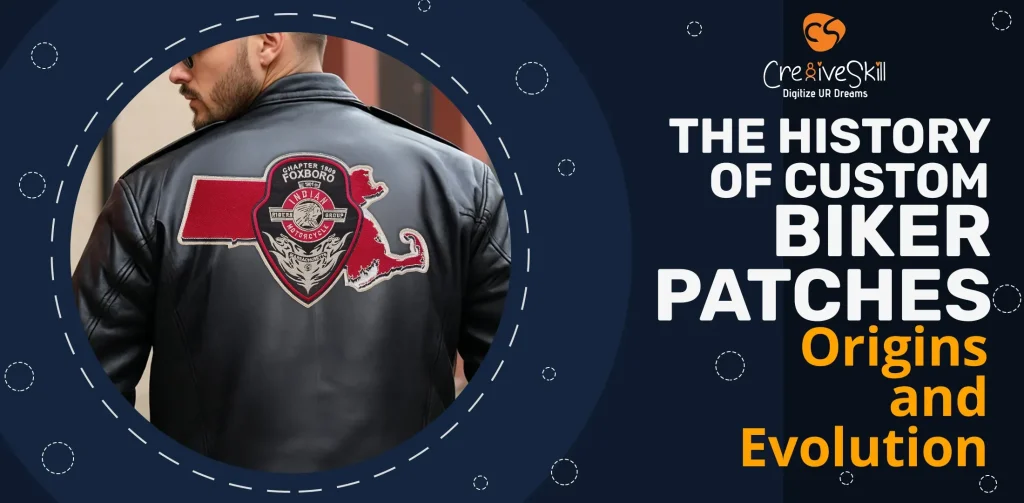
The History of patches traces how textiles carry identity, memory, and cultural dialogue across communities, eras, and movements, turning simple stitches into stories we wear. From badges to streetwear patches, these marks evolved alongside patch history and fashion discourse, shifting from utilitarian identifiers to personal emblems that spark conversation. This opening look situates patches as both craft and conversation, not merely decoration but a portable language that travels with the wearer. The journey traces how materials, backing methods, and embroidery advances transformed simple insignia into durable fashion statements across jackets, backpacks, and uniforms. In this concise introduction, readers glimpse the arc of cultural meaning that patches carry into today’s diverse wardrobe.
Viewed through the lens of emblematic fabric adornments, patches function as portable badges that carry personal narratives and subcultural signals. The journey moves from military insignia to designer collabs and DIY pockets of creativity, revealing how patch design evolution reshapes wardrobes. In retail spaces and online communities, these stickers of fabric become collectible art, sparking exchanges and collaborations across genres. As materials shift toward durable textiles and versatile backings, the patch vocabulary expands to embrace sustainability, nostalgia, and contemporary wit.
The History of Patches: From Badges to Streetwear Patches
The patch history begins with practical insignia in military and maritime settings, where patches signified rank, unit, achievements, and qualifiers. These early patches carried meaning beyond decoration, offering quick identification on the battlefield or deck and helping organize complex groups. Stitch-by-stitch, communities learned to transfer symbols into wearable badges that could endure wear and washing, establishing a foundation for badge culture—the idea that a small sewn mark can convey power, allegiance, and belonging.
As fashion and culture evolved, patches migrated from exclusive insignia to portable fashion statements. The history of patches in fashion expanded as more affordable embroidery, fabrics, and backing methods made it possible to reproduce and distribute patches widely. Patches transitioned from functional emblems to expressive fashion accessories, sowing the seeds of patch culture and proving that a simple patch can spark dialogue about identity and style on jackets, backpacks, and beyond.
From Badges to Patches: Signaling Identity and Belonging
The shift from badges to patches marks a pivotal moment in how people signal identity. The patch history mirrors a broader movement where individuals began collecting and wearing patches that spoke to personal history, affiliations, or humor. This evolution blurred the lines between utility and art, turning patches into portable badges of loyalty and personality within communities and subcultures.
As patch culture expanded, patches found homes in clubs, among musicians, and in fan communities. The practice became a form of social currency—easy to trade, collect, and display—while new backing methods and embroidery innovations widened accessibility. The progression from traditional badges to streetwear patches reflects a democratization of self-expression through textile design.
DIY Roots and the Patch History: Patches as Portable Stories
In the second half of the 20th century, patch culture blossomed as a DIY phenomenon. Denim jackets, vests, bags, and hats became canvases for band logos, slogans, and provocative graphics, turning patches into a tactile storytelling medium. This DIY ethos fed a dynamic patch history, where independent artists and small studios pushed the boundaries of color, motif, and backing to create a diverse patch landscape.
The patch culture of this era operated as a social network—fans and creators could recognize one another by shared visuals and messages. The patch history thus intertwines with community, music scenes, and political statements, showing how hand-stitched fabric can communicate solidarity, rebellion, and humor across generations.
Industrial Fashion and the Mainstream Adoption of Patches
As fashion houses and mass retailers recognized patches as storytelling devices, the History of patches took a leap into ready-to-wear lines. Iron-on, stick-on, and woven variants made patches accessible to a broad audience, enabling designers to enliven jackets, jeans, and bags with historical nods and contemporary wit. This era marks a turning point where patch culture moves from subcultural corners into mainstream wardrobes.
Collaborations between luxury labels and streetwear brands helped elevate patch design evolution to glossy runways and major publications. Patch design evolved from limited runs to ubiquitous accessories, with new materials like PVC and holographic threads joining traditional embroidery. The result is a rich vocabulary of texture and meaning that keeps patch history vibrant in modern fashion discourse.
Patch Design Evolution: Techniques, Materials, and Aesthetic Futures
Understanding the patch history requires appreciating the techniques that give patches texture and durability. Traditional embroidered patches rely on dense stitching, stable backing, and heat-activated adhesives for iron-on attachment. Woven patches use jacquard looms to weave the design directly into fabric, delivering sharp details and distinct drape.
New materials and methods expand the patch design evolution: PVC patches offer three-dimensional, weather-resistant options; heat-seal, Velcro-backed patches enable easy swapping; and avant-garde combinations blend thread, enamel, and fabric art. This modernization blurs the line between craft and industry, producing patches that age gracefully while continuing to tell stories long after the first stitch.
Collecting, Markets, and the Democratization of Patch Culture
With patch culture expanding, collecting patches became a hobby and a small economy. People hunt for rare patches from concerts, events, or limited releases, trading and selling through online marketplaces and in-person gatherings. This market has shaped how designers approach limited editions, series, and artist collaborations, while enriching the patch history with provenance and nostalgia.
The democratization of patch culture now includes digital-first art and blended-media patches that fuse thread, enamel, and fabric art. As authenticity and storytelling remain at the core of patch collecting, the modern market invites designers from diverse backgrounds into conversation, ensuring that patch history continues to evolve and remain accessible to enthusiasts, newcomers, and collectors alike.
Frequently Asked Questions
What is the History of patches and how did it progress from badges to streetwear patches?
The History of patches begins with military and maritime insignia, where badges signified rank, unit, and achievement. Over time, this patch history expanded as people began attaching patches to express identity, turning badges into patches and fueling patch culture. In fashion, the patch design evolution accelerated as fabrics and backing improved, giving rise to decorative and expressive streetwear patches.
How did patch culture influence fashion and DIY communities?
Patch culture transformed from a functional signal into a canvas for personal storytelling. DIY enthusiasts on denim jackets, bags, and hats embraced patches, trading designs and building a shared visual language. The patch history mirrors this shift, with designers expanding backings and materials to support diverse patch styles.
What manufacturing techniques drive the patch design evolution?
Embroidered patches rely on dense stitching and heat-activated backs, while woven patches use jacquard weaving for sharper details, contributing to the patch design evolution. PVC patches add three-dimensional, weather-resistant textures, and backings like iron-on, sew-on, or Velcro expand how patches are applied. Together these methods shape durability, color fastness, and the overall look that defines modern patches.
Why do patches carry meaning beyond fashion?
Patches function as a language of belonging, signaling membership in subcultures or communities and marking personal memory. This patch culture fosters solidarity, humor, and political statements, allowing wearers to share stories through color, shape, and placement. The ongoing History of patches in fashion shows how content and context evolve with style.
What practical tips should beginners use when choosing, placing, and caring for patches?
Start by selecting patches that reflect your story or values, then plan cohesive clusters rather than random placements. Consider backings (iron-on for quick flair, sew-on for durability) and how patches will age on the garment. To care for patches, hand wash or spot clean and avoid harsh solvents, preserving the patch history you’ve built.
How is the modern street style era shaping the patch design evolution and patch culture?
The modern street style era has democratized patches, blending vintage motifs with new designs and encouraging layering to express mood, beliefs, and travel stories. Social media accelerates the patch culture by sharing tutorials, placements, and care guides, fueling the patch design evolution with digital-first art and collaborations. In this context, History of patches in fashion continues to grow as designers test materials like PVC and holographic threads alongside traditional embroidery.
| Topic | Key Points |
|---|---|
| Origins and early patches | Practical purposes in military/maritime contexts; signified rank, unit, achievements; durable emblems; badge culture; symbols became wearable emblems. |
| From badges to patches | Shift from insignia to personal expression; patches as portable badges of loyalty; used by clubs, musicians, and fans; more affordable embroidery and backing methods; lines between utility and style blur. |
| DIY culture and rise of patch culture | DIY phenomenon; patches on denim jackets, vests, bags, and hats; punk/ ska/ rock communities; handwritten slogans and band logos; growth of an independent design economy; portable storytelling and social networks. |
| Industrial fashion and the mainstream embrace | Stick-on, iron-on, and woven patches; ready-to-wear lines; collaborations between luxury labels and streetwear; patches on jackets/jeans/bags; new materials like PVC and holographic threads; near-ubiquitous accessories. |
| Manufacturing techniques and material evolution in patch design | Embroidered patches rely on dense stitching, stable backing, and heat-activated adhesive; woven patches use jacquard looms; PVC patches offer three-dimensional, weather-resistant options; heat-seal and Velcro-backed patches; aging considerations. |
| Patch collecting, markets, and the commerce of patch design evolution | Collecting as hobby and small economy; rare patches from concerts/events; online marketplaces and gatherings; limited editions and artist collaborations; digital-first art and blended media; authenticity and provenance matter. |
| Cultural impact: patches as a language of belonging and rebellion | Encode memory and identity; signal membership in subcultures; acts of self-definition; inclusive designs; democratic textile language; global dialogue. |
| The modern street style era and the democratization of patch design | Patches in modern street style; intersects with sportswear, techwear, and casual fashion; layering motifs; social media sharing and tutorials; sustainable materials; patches as a living chapter of fashion history. |
| Practical guidance: choosing, placing, and caring for patches | Choosing patches that reflect your story; plan cohesive clusters; consider backings (iron-on vs sew-on); color harmony and narrative in placement; care and maintenance. |
Summary
History of patches is a descriptive journey through craft, memory, and style, tracing how small stitched emblems shifted from functional insignia to expressive fashion statements. The history shows patches moving from military and corporate signaling to personal storytelling, DIY culture, and mainstream streetwear. Sewing techniques, materials, and backing options have evolved—from dense embroidery and heat-activated adhesives to woven jacquard designs and PVC patches—expanding where and how patches can be worn. Today, patches act as a democratic textile language that encodes belonging, signals subcultural identity, and fuels a global market of art, collaboration, and sustainable fashion.