
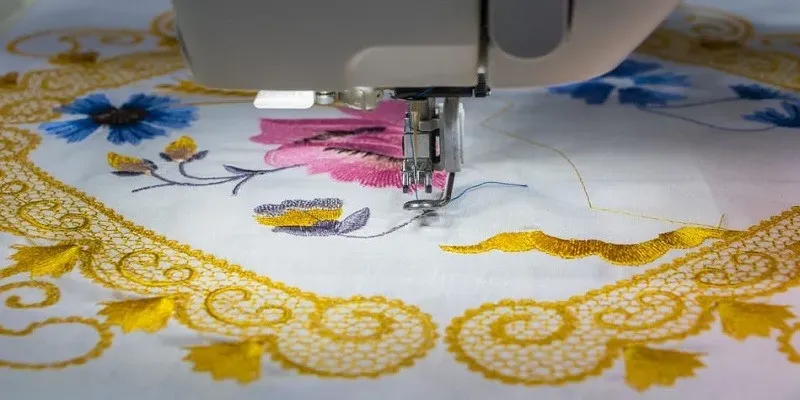
Embroidered garment care goes beyond a quick wash and dry, guarding the delicate stitches and the fabric that frames them. When you invest time in proper care, you extend the longevity of intricate designs and build a routine that protects color, texture, and thread. This guide covers washing and longevity tips tailored to embroidered garments, with practical steps you can follow at home, emphasizing delicate fabric care. You’ll learn how to wash embroidered clothing without compromising threadwork, and how to approach stain removal for embroidery with safe cleaners. By adopting a thoughtful approach to embroidered garment care, you’ll reduce fading, prevent fraying, and maintain the fabric’s integrity over time.
From a broader perspective, this topic centers on safeguarding stitched embellishments and the longevity of decorative fabrics through mindful maintenance rather than quick, harsh cleaning. Think of it as embroidery stewardship, with an emphasis on maintaining long-term stitch integrity by protecting thread health, color saturation, and fabric structure through gentle cleaning methods. You’ll encounter related terms such as stitched-work preservation, textile ornament care, and gentle laundering techniques suitable for delicate textiles when exploring best practices. By framing care this way, the guide invites readers to adopt a holistic routine that protects craft and keeps prized pieces looking fresh for years. This broader framing also highlights preserving embroidery longevity as a guiding principle throughout care routines. Across different fabrics and embroidery types, a flexible approach ensures colors stay vibrant and stitches remain secure without sacrificing comfort or usability.
Embroidered Garment Care Essentials: Protecting Stitch, Fabric, and Color
Embroidered garment care is more than a routine—it’s a mindful routine that guards both the stitches and the fabric that frames them. By treating embroidery as part of the garment’s story, you preserve color, texture, and overall integrity for years. The goal is clean, vibrant pieces that resist fading and fraying, achieved through careful preparation, gentle washing, and thoughtful storage.
Preparing your items starts with reading care labels and identifying high-friction areas. Turn the garment inside out to shield embroidery from friction, fasten closures to prevent snagging, and use a mesh bag for denser embroidery or delicate regions. This approach aligns with preserving embroidery longevity and supports delicate fabric care across diverse fabrics and thread types.
How to Wash Embroidered Clothing Without Damaging Threads
When learning how to wash embroidered clothing, the gold standard remains hand washing for fragile embroidery or metallic threads. Use cold or lukewarm water and a mild, pH-neutral detergent, then swirl gently without rubbing. Rinse completely and press out excess water by laying the garment flat between towels to avoid distorting stitches.
If machine washing becomes necessary, choose a delicate or first-care wash cycle with cold water, place the item in a mesh bag, and ensure ample space for movement. Avoid heavy loads and harsh detergents, sticking to color-safe formulas that protect colorfast embroidery and reduce wear on thread and fabric. This balance supports long-term care and aligns with guidelines for delicate fabric care.
Preserving Embroidery Longevity: Detergents, Temperature, and Care Cycles
Preserving embroidery longevity starts with your choice of detergents and how you treat the water temperature. Select a mild detergent designed for delicate fabrics and avoid chlorine bleach; if a stain must be treated, use a safe, color-appropriate solution after testing a hidden area. Cold water and shorter cycles help keep threads vibrant and stitches snug over time.
Avoid over-washing and aggressive cycles, which can weaken fibers and lead to fraying. Batching care into brief, targeted washes with gentle rinses supports color retention and stitch integrity. This approach complements a broader strategy of delicate fabric care and supports the garment’s long life without sacrificing cleanliness.
Delicate Fabric Care for Embroidered Pieces: Detergents, Drying, and Ironing
Delicate fabric care means choosing detergents that are gentle on both fabric and embroidery. Use mild, color-safe cleaners and steer clear of citrus or enzyme-heavy formulas that can fade colors or weaken threads. After washing, avoid wringing and instead press moisture out between towels, then lay the item flat to air dry to maintain embroidery alignment.
Ironing should be done with care: place a clean cotton towel or cheesecloth over the embroidery and select a low heat setting. For right-side embroidery, a protective barrier helps prevent shine and heat damage. If you prefer steaming, keep the garment at a safe distance and use a gentle setting to release wrinkles without pressing directly on the stitches.
Stain Removal for Embroidery: Safe, Fabric-Sensitive Techniques
Stain removal for embroidery requires prompt, gentle action to prevent setting color in thread. Blot, don’t rub, from the outside toward the center to keep the stain contained and prevent spreading. For water-based stains like coffee or juice, apply a mild mixture of water and gentle detergent, then rinse and air-dry before re-evaluating.
Oil-based stains call for a light dab of dish soap on the affected area, followed by a gentle wash after a test on a hidden area. Always test colorfastness before applying cleaners near colored embroidery, especially when dealing with vibrant threads or metallics where color bleed could ruin the design.
Storage and Long-Term Preservation of Embroidered Garments
Proper storage is essential for maintaining embroidery longevity between wears. Protect colors and prevent sunlight exposure by keeping pieces in a cool, dry environment and away from heat sources. Use breathable garment bags and acid-free tissue between folds to cushion embroidery and prevent creasing or thread breakage.
Decide between folding and hanging based on embroidery density; heavier stitching benefits from folding with tissue protection to avoid strain. When storing vintage or heirloom items, consider moth-prevention strategies that avoid harsh chemicals, ensuring delicate threads and fabrics remain intact for future generations.
Frequently Asked Questions
How is embroidered garment care different from regular laundry?
Embroidered garment care differs from regular laundry because embroidery is delicate. Always read the care label, turn the garment inside out, secure closures, and wash in cold water with a mild detergent. If possible, choose hand washing or place the item in a mesh bag for machine washing, avoid heavy loads, and lay flat to dry. This approach protects embroidery and maintains its longevity.
What is the best way to wash embroidered clothing without damaging stitches?
To wash embroidered clothing without damaging stitches, start by reading the care label and turning the garment inside out. Hand washing with cold water and a mild pH neutral detergent is ideal for fragile embroidery, while machine washing on a delicate or first care cycle in a mesh bag can work for sturdier embroidery. Avoid agitation, wringing, and high heat, and press out moisture with towels before laying flat to dry. This follows the guidance on how to wash embroidered clothing to protect thread and fabric.
What steps help with preserving embroidery longevity?
Preserving embroidery longevity comes from minimizing stress on the stitches. Limit washing to when needed, use a mild detergent designed for delicate fabrics, and choose cold water short cycles. Avoid chlorine bleach and high heat, and store pieces folded with tissue or in breathable bags to prevent pressure on the embroidery. Regularly check for loose threads and mend them promptly to maintain the design.
What is the best approach to delicate fabric care for embroidered pieces?
Delicate fabric care for embroidered pieces means choosing a gentle approach at every step. Use a pH neutral detergent, avoid optical brighteners and citrus enzymes, and keep water temperatures cool. When ironing, place a clean barrier such as cotton or parchment over the embroidery and use low heat; air dry or hang with care to prevent stretching. This aligns with delicate fabric care for embroidery.
How can I perform stain removal for embroidery without harming the thread?
Stain removal for embroidery should be gentle and tested first. Blot spills rather than rubbing to avoid spreading and color lift. For water based stains, apply a mild detergent solution, rinse, air dry, and re check. For oil based stains, apply a small amount of dish soap to the stain, then wash gently and rinse. Always test colorfastness on an inconspicuous area before proceeding.
Can you share a simple, home-friendly care routine for embroidered garments?
A practical care routine you can adopt for embroidered garments includes: inspect after wear, turn inside out, fasten closures, and use a mesh bag if needed. Wash gently on a cold delicate cycle or hand wash with a mild detergent; rinse completely and press out moisture with towels. Lay flat to dry and store folded with tissue between folds. Inspect for loose threads and repair promptly. This embodies embroidered garment care and helps keep embroidery looking fresh over time.
| Topic | Key Points |
|---|---|
| Preparation for washing | Read care labels; test colorfastness if unlabeled; turn garment inside out; fasten closures; use a mesh bag for high-friction areas. |
| Washing methods | Hand washing is ideal for fragile embroidery or metallic threads. Use cold or lukewarm water with a mild, pH-neutral detergent. Gently swirl and rinse; press out water with towels. If machine washing, choose a delicate/first-care cycle with cold water, place in a mesh bag, and avoid overcrowding. |
| Detergents & temperature | Choose a mild, color-safe detergent free of harsh bleaches and enzymes; avoid citrus or enzyme-heavy formulas. Cold water minimizes color bleeding and fabric distortion. |
| Drying & finishing | Do not wring; press moisture out with towels and lay flat to dry. If hanging, use a wide hanger and avoid stretching. Iron on low heat with a protective barrier; consider steaming at a safe distance. |
| Stain treatment | Blot, don’t rub. For water-based stains, use a mild detergent solution; rinse and air dry. For oil-based stains, apply a small amount of dish soap, then wash. Test colorfastness first and be mindful of color bleed. |
| Storage & longevity | Avoid direct sunlight; store in a cool, dry place. Fold garments (not hanging heavy embroidery); place acid-free tissue between folds; use breathable garment bags; for vintage pieces, consider moth-prevention methods that don’t damage fibers. |
| Common mistakes | Avoid hot water, aggressive cycles, and strong bleaches on colored embroidery. Don’t rub embroidery during cleaning or skip care labels. Don’t tumble dry on high heat. |
| Practical care routine | Inspect and prep; wash gently (hand wash or delicate cycle with cold water and mild detergent); rinse and press; dry and store; inspect periodically for loose threads and minor fraying, repairing promptly to prevent further damage. |
Summary
Embroidered garment care is a thoughtful practice that protects color, texture, and threadwork, ensuring heirloom-worthy pieces endure. By embracing careful preparation, gentle washing, mindful drying, and proper storage, you preserve the fabric’s integrity and the embroidery’s lifelike details for years to come. This at-home approach emphasizes minimal agitation, appropriate detergents, and protective handling to maintain vibrancy and prevent fraying or fading, so embroidered garments continue to tell their craftsperson’s story with every wear.