
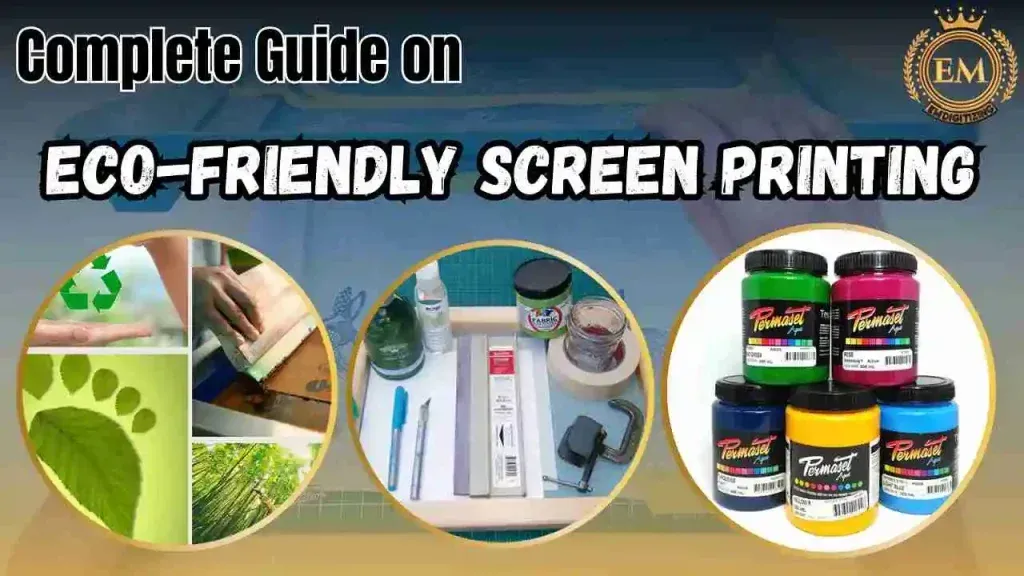
Eco-Friendly Screen Printing is reshaping how brands bring color to apparel and products, offering a responsible path that respects people and the planet. As demand grows for greener production, studios are balancing vibrant results with reduced emissions and safer work environments. By prioritizing sustainable inks for screen printing, printers can cut VOCs while maintaining color fidelity. This shift also invites designers to rethink sourcing, lifecycle considerations, and supply chain partnerships for longer-lasting results that resonate with customers and regulators alike. The guide below outlines practical steps to optimize inks, water use, and waste reduction across any shop size.
Eco-friendly textile printing represents more than a label; it means environmentally responsible production that protects workers and reduces waste. Adopters often rely on low-VOC inks, water reduction in screen printing, and robust waste handling to meet stricter standards without sacrificing results. Industry leaders are turning to sustainable production methods, smarter press planning, and transparent supplier practices to sustain quality and speed. When these practices are framed as business benefits like cost savings, regulatory readiness, and stronger brand trust, teams adopt them more consistently. Practical metrics, such as waste diverted from landfills and reductions in energy use, help teams track progress and report impact.
Eco-Friendly Screen Printing: A Practical Standard for Modern Brands
Eco-Friendly Screen Printing has moved beyond a niche approach to become a practical standard for brands, designers, and printers who want to reduce environmental impact while maintaining color, durability, and efficiency. By integrating sustainable inks for screen printing, shops can lower VOC emissions and support safer workplaces, all while delivering high-quality results that meet customer expectations. This shift also aligns with broader trends in green screen printing techniques that emphasize responsible material choices and transparent supplier practices.
As consumer demand grows for responsible production and regulators tighten guidelines, adopting eco-friendly screen printing is good ethics and good business. A clear path involves selecting inks with lower environmental footprints, optimizing water use through smart process changes, and instituting waste management in screen printing to keep solvents out of landfills. Whether you operate a small shop or a large production line, the goal remains the same: prints that respect people and the planet while staying competitive and visually compelling.
Sustainable Inks for Screen Printing: Balancing Color, Durability, and Footprint
A strong foundation for responsible printing is choosing inks with reduced environmental impact. Sustainable inks for screen printing include water-based formulations, silicone-free systems, and plant-derived pigments that minimize VOCs and solvent emissions. Water-based inks, in particular, offer a softer hand feel and lower odor, contributing to safer studios and more comfortable work environments while maintaining color vibrancy and wash-fastness.
In practice, sustainable inks for screen printing can be used across a wide range of fabrics, from cotton and blends to certain polyesters, depending on compatibility. Testing on representative swatches helps verify color accuracy, opacity, and print performance. Documentation of ink composition and supplier sustainability practices can support greener labeling or brand certifications, reinforcing a commitment to eco-friendly textile printing and demonstrating responsible production practices.
Water Reduction in Screen Printing: Cut Waste, Save Resources
Water reduction in screen printing begins with smarter washout and rinsing practices, then extends to rinsing of squeegees, screens, and post-process cleaning. Implementing closed-loop or recirculating wash systems that reclaim and reuse wash water after filtration can dramatically cut overall usage without sacrificing cleanliness or print quality. Pairing this with filtration monitoring helps ensure wastewater is minimized and easier to treat, aligning with best practices in waste management in screen printing.
Reducing water use also means optimizing the drying and curing steps to prevent rework that requires additional washing. Energy-efficient dryers and heat-recovery systems can complement water-saving measures, while waterless cleaners or solvent-free approaches further decrease water exposure and wastewater generation. Taken together, these steps reduce utility costs and environmental impact while maintaining throughput and the high standards expected in eco-friendly textile printing.
Waste Management in Screen Printing: From Audit to Recycling
Effective waste management in screen printing starts with a thorough waste audit to identify major waste streams, followed by a plan that includes labeling, containment, and documented disposal with licensed recyclers or hazardous waste contractors. This approach helps prevent landfilling of emulsions, stencil liquids, contaminated wash water, and spent frames, while ensuring regulatory compliance across jurisdictions.
Beyond disposal, waste management in screen printing emphasizes prevention and efficiency: leaner ink usage, optimized screen life, and smarter production planning reduce waste at the source. Emulsions and cleaners can be managed with safer, low-impact formulations, and solid waste like aluminum or steel frames can be recycled. When teams collaborate on waste reduction, they reinforce green screen printing techniques and create a more sustainable operation without sacrificing productivity.
Eco-Friendly Textile Printing: Material Choices and Industry Standards
Eco-friendly textile printing centers on selecting fabrics and coatings that harmonize with sustainable inks for screen printing and minimize environmental impact. Choosing textiles with lower processing requirements, certified organic or recycled content, and compatible finishes supports a cleaner supply chain and aligns with broader goals of eco-friendly textile printing. This approach helps ensure long-term fabric performance and reduces the need for harsh post-processing chemicals.
Industry standards and certifications play a critical role in validating responsible choices. Working with suppliers who disclose ink composition, dye sources, and sustainability practices strengthens a brand’s green credentials and consumer trust. Documenting these practices supports greener labeling and demonstrates a commitment to sustainable production across the entire lifecycle of printed goods, reinforcing the value of eco-friendly textile printing in a competitive market.
Green Screen Printing Techniques: Designing for Efficiency and Longevity
Green screen printing techniques focus on energy efficiency, material stewardship, and process optimization to reduce the environmental footprint. Upgrading to energy-efficient press controls, LED curing systems, and optimized drying schedules lowers energy consumption while preserving print speed and quality. Durable hardware, recyclable packaging, and sustainable ink choices collectively contribute to a more sustainable operation.
Lifecycle thinking also means considering the durability and reuse of screens, frames, and emulsions. By extending screen life through proper emulsion removal, storage, and handling, studios can reduce waste and promote a circular economy. Pairing these practices with local sourcing and transparent environmental policies from suppliers supports more sustainable workflows and reinforces the broader value of green screen printing techniques in modern production environments.
Frequently Asked Questions
What is Eco-Friendly Screen Printing and why should brands care?
Eco-Friendly Screen Printing is the practice of reducing environmental impact while preserving color, durability, and efficiency in print production. It relies on sustainable inks for screen printing, water reduction in screen printing, and waste management in screen printing to lower VOCs, energy use, and waste streams. For brands, it means safer workplaces, regulatory compliance, and a market advantage through responsible production.
How do sustainable inks for screen printing boost Eco-Friendly Screen Printing and eco-friendly textile printing?
Sustainable inks for screen printing reduce environmental footprints by using water-based inks, silicone-free formulations, and plant-derived pigments with low VOC content. They often deliver good color vibrancy, reasonable cure temperatures, strong wash fastness, and fabric compatibility, supporting eco-friendly textile printing without sacrificing performance. Always test on representative fabrics to confirm results.
What steps drive water reduction in screen printing without sacrificing quality?
To improve water reduction in screen printing, optimize washout with high-concentration cleaners and shorter rinse cycles; implement a closed-loop wash system to reclaim and reuse water; use rinse filtration and monitor disposal. Proper curing also minimizes post-wash rework, further saving water. Some shops achieve a 30–70% reduction in water use with these approaches.
What does waste management in screen printing entail to minimize landfill waste?
Waste management in screen printing means auditing and separating waste streams, labeling containers, implementing secondary containment, and arranging disposal with licensed contractors. Manage emulsions and solvent cleaners, consider water-based cleaners to reduce solvents, and recycle frames and screens where possible. Emphasize prevention through careful ink usage and planning to minimize landfill waste.
Which green screen printing techniques promote energy efficiency and material stewardship?
Green screen printing techniques emphasize energy efficiency and process optimization. Use energy-efficient presses, LED curing, and smarter drying schedules; consider heat recovery or upgraded dryers to cut energy consumption. Durable aluminum or steel frames, recyclable packaging, and local sourcing also reduce waste and emissions, while staff training ensures consistent green practices.
How can a small shop begin implementing eco-friendly screen printing today?
To start in a small shop, begin with a baseline assessment of water use, ink waste, and waste streams. Run pilot projects with sustainable inks for screen printing to gauge color and durability. Develop standard operating procedures for safe handling and maintenance, invest in water filtration and reuse where feasible, train staff, and document environmental benefits for marketing.
| Aspect | Key Points |
|---|---|
| Introduction |
|
| Sustainable inks for screen printing |
|
| Water reduction in screen printing |
|
| Waste management in screen printing |
|
| Green screen printing techniques for a modern workflow |
|
| Practical tips for implementing eco friendly screen printing |
|
Summary
Eco-Friendly Screen Printing is a practical and profitable path for modern print operations. By prioritizing sustainable inks for screen printing, actively pursuing water reduction in screen printing, and implementing comprehensive waste management in screen printing, studios can deliver high-quality prints while protecting people and the planet. The journey toward green printing is not a single policy but a continuous process of choosing better materials, refining workflows, and engaging suppliers who share a commitment to environmental stewardship. With clear goals, disciplined execution, and ongoing testing, any shop can reduce its environmental footprint, improve safety and efficiency, and meet the expectations of eco-conscious customers. Embrace green screen printing techniques, optimize processes, and build a resilient, competitive business that thrives in a changing landscape.