
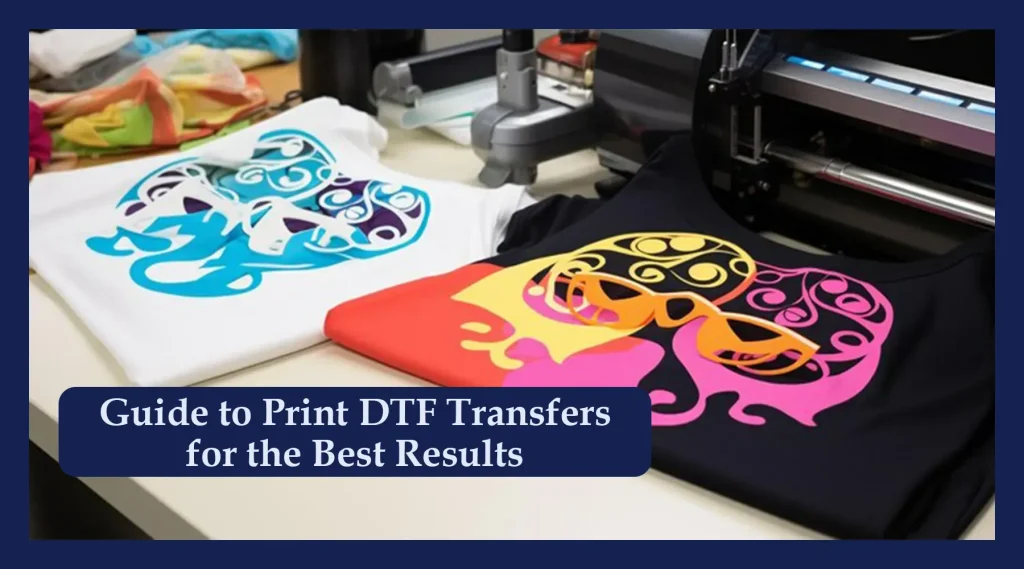
DTF transfers offer a flexible, high-quality option for printing designs on apparel, delivering vivid color, a soft hand feel, and durable adhesion that brands crave for everyday T-shirts, hoodies, and on-demand collections across a wide range of fabrics, including blends and performance knits. If you’re a business owner, designer, or hobbyist, understanding how this technology works can save time, money, and frustration, because you’ll become more proficient at evaluating artwork, selecting transfers, predicting performance, and communicating with suppliers about expectations for color, texture, and longevity. This guide is structured to help you navigate the essential factors behind successful results, including accurate color reproduction, reliable bonding to different fibers, compatibility with light versus dark garments, and practical methods for testing samples before committing to a batch or collection. For T-shirts and hoodies, DTF transfers for T-shirts and hoodies can deliver eye-catching gradients and photo-realistic detail without the stiffness that plagued older techniques, while maintaining a comfortable hand, high wash durability, and consistent performance across lots. We also introduce the basics of direct-to-film printing, provide practical testing strategies, and share best practices for pressing, curing, and post-care so your first runs meet professional standards and scale smoothly.
In alternative terms, digital film transfers or film-to-fabric printing describe the same process from a different angle, emphasizing the film pathway rather than the garment as the primary stage. As you explore options, you’ll hear discussions about best DTF transfers for apparel, compatibility with different fabrics, and the importance of evaluating DTF transfer quality across suppliers, inks, and powders. If you’re unsure how to compare vendors, a practical starting point is to search for how to choose DTF transfers and request color-accurate samples on the exact fabric you plan to use. By applying these terms and testing strategies, you’ll gain a clearer sense of which options align with your project goals, whether you’re building an on-demand line or a small custom batch.
Understanding DTF transfers: what they are and how they work
DTF transfers start with printing a design onto a transparent film using specialized inks. After printing, a bonding powder is applied and cured, creating a surface that can bond to fabric when heat is applied. The resulting transfer is then pressed onto garments, allowing the ink to embed into the fibers.
This method blends elements of screen printing and heat transfer, delivering vivid color, smooth gradients, and strong adhesion across a wide range of fabrics. For T-shirts and hoodies, DTF transfers can deliver multi color designs with a soft hand when applied correctly, and the process aligns well with direct-to-film printing workflows.
DTF transfers for T-shirts and hoodies: fabric compatibility and care
DTF transfers for T-shirts and hoodies work well on cotton, cotton blends, and many polyesters, expanding design options for streetwear, team gear, and school clubs. The ability to print on dark and light fabrics broadens the use cases and helps maintain color integrity across garment types.
When applying to hoodies, DTF transfers tend to deliver strong adhesion and a durable finish, even on heavier weights. Proper pressing parameters and fabric pre-treatment help preserve the hand feel and prevent cracking after multiple washes.
How to choose DTF transfers: a practical buyer’s guide
Selecting DTF transfers requires assessing print quality, color fidelity, and adhesion on your target fabrics. Look for transfers that reproduce sharp edges, smooth gradients, and accurate color matching, which are indicators of good DTF transfer quality.
Other considerations include fabric compatibility, ease of use, and total cost per unit. Request samples and compare pressing guidelines to ensure you are using how to choose DTF transfers as a framework for evaluation.
Direct-to-film printing advantages for apparel: a practical perspective
Direct-to-film printing allows vibrant multi color designs without the setup costs of screens. This makes it ideal for small runs, on-demand orders, and fast prototyping, especially for hoodies and T-shirts.
Compared to other methods, direct-to-film printing offers a broader color gamut, easier customization, and strong adhesion across fabrics. The workflow is generally more forgiving for gradient-heavy artwork and photographic imagery.
Best DTF transfers for apparel: criteria to evaluate and compare
When seeking the best DTF transfers for apparel, prioritize color accuracy, edge definition, and uniform thickness to preserve a professional look across garments.
Also evaluate wash performance, consistency across colorways, and lead times. Look for suppliers who provide test prints, clear guidelines, and support to help you choose the best DTF transfers for apparel.
DTF transfer quality: factors, testing, and optimization tips
DTF transfer quality depends on ink formulation, film quality, powder distribution, curing, and press calibration. Each factor influences how well the image bonds to fabric and how long it lasts through washes.
To optimize quality, perform regular tests with your heat press, calibrate temperature and pressure, and run wash and stretch tests on representative fabrics. Document results to refine your color profiles and production processes.
Frequently Asked Questions
What are DTF transfers for T-shirts and hoodies, and how do they work?
DTF transfers for T-shirts and hoodies are designs printed on a transparent film using direct-to-film printing, then coated with bonding powder and heat pressed onto fabric. The result is vivid color, soft hand, and strong adhesion across a range of fabrics, including cotton blends and polyesters.
How does direct-to-film printing compare to other methods, and why choose DTF transfers for apparel?
Direct-to-film printing offers vibrant color, smooth gradients, and broad fabric compatibility. DTF transfers can be applied to light and dark garments with strong adhesion and a softer hand than many traditional heat-transfer methods, making them a versatile option for apparel.
How to choose DTF transfers for your apparel
How to choose DTF transfers involves evaluating print quality, adhesion, fabric compatibility, hand feel, durability, and cost. Request samples on your target fabrics, compare edge sharpness and color accuracy, and follow the supplier’s pressing guidelines to judge suitability.
What are the best DTF transfers for apparel for small runs or on-demand?
When selecting the best DTF transfers for apparel for small runs, prioritize color fidelity, transfer softness, and reliable wash performance. Request multiple colorway samples, review testing reports, and ensure consistent results across fabrics and batches.
DTF transfer quality: what affects it and how can I optimize?
DTF transfer quality is affected by ink formulation, film quality, bonding powder, curing, and equipment calibration. To optimize, use quality inks and films, calibrate color profiles, ensure proper curing, maintain consistent press temperature and pressure, and perform wash and durability tests.
What are the best practices for applying DTF transfers to T-shirts and hoodies?
Best practices include prepressing the garment, precise alignment, and using parchment or silicone sheets. Press at 135–160°C (275–320°F) for 10–20 seconds with even pressure, then allow cooling before handling to ensure a durable bond and crisp results.
| Key Point | Description |
|---|---|
| DTF transfers defined | Direct-to-film printing prints a design onto a clear film with special inks, then bonds it to fabric using a bonding powder; the finished film is heat-pressed onto fabric to create the bond. |
| Fabric compatibility | Works with cotton, cotton blends, and some polyesters; supports dark and light garments and enables complex gradients and photo-realistic images. |
| Advantages for apparel | Offers strong color fidelity and detail; straightforward workflow (design, print on film, apply powder, cure, transfer); suitable for small runs and on-demand production; tends to be soft and stretchy. |
| Versatility and suitability | Versatile for streetwear, team jerseys, and promotional apparel; supports complex color work and gradients. |
| Key selection factors | Print quality and color accuracy; adhesion and curing; fabric compatibility; hand feel; durability and wash performance; cost, scalability, and supplier support; safety considerations. |
| Testing and samples | Request test prints on your exact fabric; evaluate color saturation, edge definition, and gradient transitions; check consistency across runs and colorways. |
| Application steps | Prepress the garment, precisely align the transfer, use parchment or silicone sheets, press at 135–160°C (275–320°F) for 10–20 seconds, apply even pressure, and allow to cool to set. |
| Care and longevity | Turn garments inside out, wash cold or warm, avoid aggressive tumble drying; use mild detergent; follow supplier care guidelines to preserve color and bond. |
| DTF transfers vs other methods | Compared with traditional screen printing, DTF transfers offer faster setup for small batches, greater color flexibility, and softer hand; for very large runs, screen printing can be more economical. |
| Common mistakes | Rushed alignment or press timing; using the wrong fabric; skipping pre-press steps; inadequate cooling; relying on a single test instead of testing across fabrics and colors. |
Summary
DTF transfers offer a versatile and durable path for decorating T-shirts and hoodies, delivering vibrant color, fine detail, and a soft hand across a range of fabrics. By understanding how DTF transfers work, how to evaluate quality, and how to apply and care for them, you can scale on-demand production with consistent results. Start with quality samples, test across fabrics, and follow precise pressing guidelines to maximize durability and appearance. DTF transfers empower brands and hobbyists to create durable, high-visibility garments with greater design flexibility than many traditional methods.