
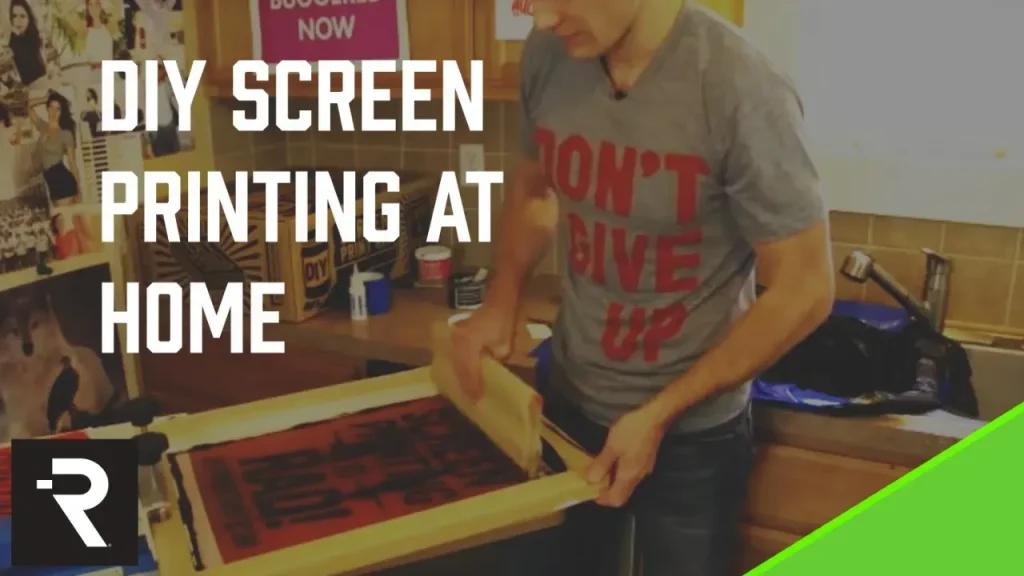
DIY screen printing at home has exploded in popularity among makers, artists, and hobbyists who want to transform blank tees, tote bags, posters, and signage into distinctive, durable prints that reflect their personal style. Starting with a thoughtful toolkit—screens with the right mesh count, a smooth squeegee, emulsion and remover, a reliable light source, and a stable workspace—your tools will stay organized and ready. Then you’ll move through design transfer, exposure, and curing with patient, repeatable steps that emphasize accuracy over rush. This guide emphasizes how to build a workflow that scales from a single test print to small batches, while keeping setup simple, safe, and affordable. Along the way, you’ll gain practical know-how that demystifies the process and helps you avoid common pitfalls associated with beginner screen printing.
This home-based approach to silk-screen printing blends creativity with practical know-how, letting you translate designs into tangible goods. Think of it as a hands-on printmaking process—using a frame, stencil, and ink to reach durable results on fabrics, posters, or paper. By exploring related terms such as inks, frames, emulsions, and test fabrics, you can expand your toolkit while staying aligned with best practices. With a mindful setup and a steady practice routine, you’ll build confidence performing repeatable prints that scale from hobby projects to small runs.
Getting Started with DIY Screen Printing at Home: Tools, Setup, and Supplies
Getting started with DIY screen printing at home unlocks design freedom and a hands-on sense of achievement. To begin, assemble a dependable toolkit that covers the core screen printing tools: a screen with the right mesh count, a squeegee, emulsion and remover, a light source for exposure, and a sturdy printing surface. Creating a dedicated workspace and stocking essential DIY screen printing supplies ensures you can practice without constant setup changes.
Choosing the right mesh count and ink setup matters from the outset. Higher mesh counts, such as 305, let you print finer lines, while lower counts around 110–180 are more forgiving for bold graphics on fabric. For cotton tees, water-based inks are a friendly starting point for home setups as they cure with heat and wash out with less resistance than plastisol when used correctly.
Safe, organized workflow is part of the setup. Track your materials, protect your skin and eyes when handling emulsions and solvents, and maintain a clean, dust-free environment to protect your stencils. A simple exposure unit—whether a professional lamp or a DIY frame adjusted for sunlight—helps you translate your designs into durable stencils efficiently.
Choosing the Right Screen and Ink for Different Surfaces
Choosing the right screen and ink for different substrates is a foundational step in screen printing at home. The screen’s mesh count directly impacts detail: select a higher count for crisp lines on fabric or paper and a lower count for bold, solid fills. Pair the screen with ink types that suit your substrate; water-based inks are popular for textiles due to softer hand feel, while plastisol inks offer durability on garments but require careful heat curing.
Consider your substrate’s texture and weave when selecting a mesh and ink. Fabrics with tight weaves deliver cleaner transfers; rough blends may require test prints and adjustments to ink viscosity. For posters and cardboard, you might need different emulsions and slower drying times to prevent bleeding. Throughout this learning curve, keep notes on the relationship between screen tension, ink consistency, and curing temperature—these are key elements in how to screen print at home effectively.
During setup, source reliable DIY screen printing supplies and compatible inks from reputable brands. Document curing temperatures and times for each ink so you can reproduce results across multiple runs. As you gain experience, you can experiment with specialty inks—glitter, discharge, or metallic finishes—to expand your design possibilities without sacrificing consistency.
Surface Preparation and Substrates for Successful Prints
Substrate selection matters as much as the design itself. From cotton tees to tote bags and posters, each material responds differently to emulsion and ink. Start with fabrics that have tight weaves for cleaner transfers, and test on sample surfaces before a full run. Knowing the substrate helps you tune the emulsion exposure and ink viscosity to achieve crisp edges and durable color.
Paper and cardboard require different preparation: you may need a slower cure or a different emulsion type to prevent bleed-through. For home printing, always run a small test print on the exact material you plan to use; this reduces waste and helps you calibrate ink deposition and screen tension. Keeping practice blanks handy makes iterative testing easier and more cost-effective.
This surface-focused approach is central to maintaining consistency across projects. The goal is repeatable results: consistent ink coverage, sharp edges, and reliable curing across runs. With careful surface selection and prep, you’ll reduce misprints and build confidence—an essential part of the DIY screen printing journey.
Step-by-Step: A Practical Guide to DIY Screen Printing at Home
A practical, repeatable workflow for DIY screen printing at home starts with a solid design transfer. Create your artwork in a vector program to preserve sharp, scalable lines, then print a mirror image onto a transparent sheet. Align this transparency with your screen, using registration marks to place each color layer correctly for multi-color prints.
In emulsion coating, aim for a thin, even layer in a dim, dust-free area. Dry thoroughly before exposure, and practice on scrap screens to minimize wasted materials. This phase, supported by quality screen printing tools, forms the durable stencil that will carry your image to fabric or paper.
Exposure and rinse are critical. Test exposure times to dial in the window where the image blocks the light most reliably. The exact duration hinges on your emulsion and light source. After rinsing, you’ll reveal a clean stencil ready for printing, and you’ll set the baseline for repeatable results across sessions.
During setup and ink application, stage your prints with careful registration, then apply ink with a steady, even stroke using a squeegee. After printing, perform a controlled drying and cure—heat-setting is essential for fabric prints. Document your curing parameters to reproduce consistent results on subsequent runs.
Tips, Tricks, and Testing for Consistent Results
To achieve consistent results, rely on systematic testing as part of your screen printing tips and tricks. Run small test prints to gauge ink viscosity, screen tension, and exposure times before committing to a full run. Minor adjustments can dramatically improve edge sharpness and color saturation.
Create a controlled environment that minimizes variables. Temperature and humidity influence emulsion stability and ink drying, so maintain a stable workspace. Cleanliness matters: lint-free textiles, dust-free screens, and disinfected tools help prevent ghosting and speckling in your final prints.
Develop a standard production routine: a known sequence of design transfer, coating emulsion, exposure, rinse, print, and cure. Consistency in squeegee pressure, stroke direction, and ink viscosity is the difference between professional-looking results and nice attempts. Document recipes and methods to reuse successful settings confidently.
Scaling Up: Upgrading Equipment, Cleaning, and Long-Term Maintenance for DIY Screen Printing
As you gain confidence, consider upgrading your equipment to scale production. A more robust press arrangement improves multi-color alignment, while a faster exposure unit speeds up setup. Evaluate higher mesh screens and a broader palette of DIY screen printing supplies to expand your substrate versatility.
Maintenance becomes central to long-term success. Regularly clean screens, squeegees, and frames; replace worn parts; and manage ink storage to prevent drying out. Establish a routine that extends the life of your tools and keeps results consistent across batches.
Safety and documentation underpin sustainable growth. Use protective gear, ventilate your workspace, and dispose of chemicals responsibly. Maintain a living log of successful parameters, ink mixes, and curing settings so you can reproduce top-quality prints whenever you need them.
Frequently Asked Questions
What are essential DIY screen printing supplies for starting screen printing at home?
Essential DIY screen printing supplies for starting at home include a screen with the right mesh count, a squeegee, emulsion and an emulsion remover, a light source or exposure unit, and a stable printing surface. Add inks suitable for your substrate, along with protective gear like gloves and aprons, and a method to cure or heat-set prints. Start with practice blanks and run test prints to dial in exposure, ink viscosity, and curing times before a full run.
What are the core screen printing tools you need for a DIY screen printing at home setup?
The core screen printing tools for a home setup are the screen, mesh, a squeegee, emulsions and remover, an exposure light, and a basic printing station or stand. Mesh choice affects detail: higher counts (e.g., 305) for fine lines and lower counts (110–180) for bold graphics. For inks, water-based inks are beginner-friendly for DIY screen printing at home on fabrics, while plastisol inks require higher heat and sturdier equipment.
How to screen print at home: a step-by-step beginner guide?
How to screen print at home: a beginner-friendly workflow includes these steps: design and transfer your image to a transparency, coat the screen with emulsion and let it dry in a dark space, expose the screen to a light source to harden the stencil, rinse to reveal the stencil and dry, set up registration on the printing surface, apply ink with a squeegee and perform test prints, then heat-set or cure per ink instructions and finally clean the equipment.
What screen printing tips and tricks help ensure consistent results in a DIY screen printing at home setup?
Key screen printing tips and tricks for consistency include always running small test prints to dial in ink viscosity, screen tension, and exposure times; maintain a clean, dry workspace and keep screens dust-free; use proper squeegee technique with even pressure; monitor ink thickness to prevent bleeding; plan color layers carefully for multi-color designs; and follow safety practices for emulsions and solvents.
How to choose the right mesh count and ink for screen printing at home?
For screen printing at home, choose a higher mesh count (around 305) for detailed lines and a lower count (110–180) for bold graphics. On fabrics, water-based inks are easier to cure at home and feel lighter, while plastisol inks offer durability but require higher heat and more robust equipment. Always test on your material to fine-tune exposure, curing time, and ink viscosity.
What safety and maintenance practices should I follow for DIY screen printing at home?
Prioritize safety by working in a well-ventilated area and wearing protective gear like gloves and goggles when handling emulsions and solvents. Clean screens, squeegees, and tools promptly after each session to prevent buildup, and store chemicals according to local regulations. Keep a maintenance routine and document successful settings to reproduce reliable results over time.
| Topic | Key Points |
|---|---|
| Overview | DIY screen printing at home enables high-quality, custom prints with fast turnaround and creative control across fabrics like cotton tees, totes, posters, and signage; emphasizes a repeatable process for consistent results and personal achievement. |
| Tools and Setup | Core toolkit includes a screen, squeegee, emulsion and remover, exposure light source, and printing surface; add a stand, DIY exposure unit, suitable inks, and protective gear; balance budget with durability. |
| Screen and Ink Choices | Mesh count affects detail: around 305 provides fine lines; 110–180 is forgiving for bold graphics. For cotton, water-based inks are beginner-friendly; plastisol inks are durable but need higher heat and more gear. Explore specialty inks later to expand looks. |
| Choosing a Surface | Substrate matters: tightly woven fabrics yield cleaner transfers; paper/posters need different emulsion/ink behavior. Always test on the exact material and keep practice blanks to refine the process. |
| Step-by-Step Workflow (high-level) | Design transfer, coat screen with emulsion, expose the image, rinse and dry, setup and registration, ink and test print, drying and curing, cleanup and maintenance. |
| Tips for Consistent Results | Test prints to refine viscosity, tension, and exposure; control environment (temp/humidity); keep tools clean; use proper squeegee technique; manage ink viscosity; plan color layers; follow safety and maintenance. |
| Common Challenges and Solutions | Blurry edges: ensure precise alignment and exposure; ink bleeding: pre-treat fabric and adjust viscosity; stencil peeling: ensure emulsion adhesion and complete curing; inconsistent color: adjust viscosity/pressure per color. |
| Equipment Upgrades and Scaling Up | Scale with a multi-color press, better exposure units, broader ink options, higher mesh screens, and quality squeegees. Balance investment with goals (personal use, small batches, or micro-brand). |
| Safety, Maintenance, and Long-Term Strategy | Prioritize ventilation and protective gear; maintain a schedule for screens, emulsions, and inks; clean equipment after sessions; document successful settings for repeatable results; reduce waste to improve long-term consistency. |
| Conclusion (Summary) | DIY screen printing at home encapsulates a flexible, rewarding path to bring your designs to life. With the right tools, setup, and disciplined practice, you can produce professional-looking prints on cotton tees, totes, posters, and signage from your own space, turning a home studio into a capable printing workshop. |
Summary
DIY screen printing at home offers a flexible, rewarding path to bring your designs to life. With the right tools and a repeatable workflow, you can produce professional-looking prints on cotton tees, tote bags, posters, and signage from your own workspace. By following the setup, ink choice, design transfer, curing, and maintenance practices outlined here, you’ll develop consistent, high-quality results and turn your home studio into a capable printing workshop.