
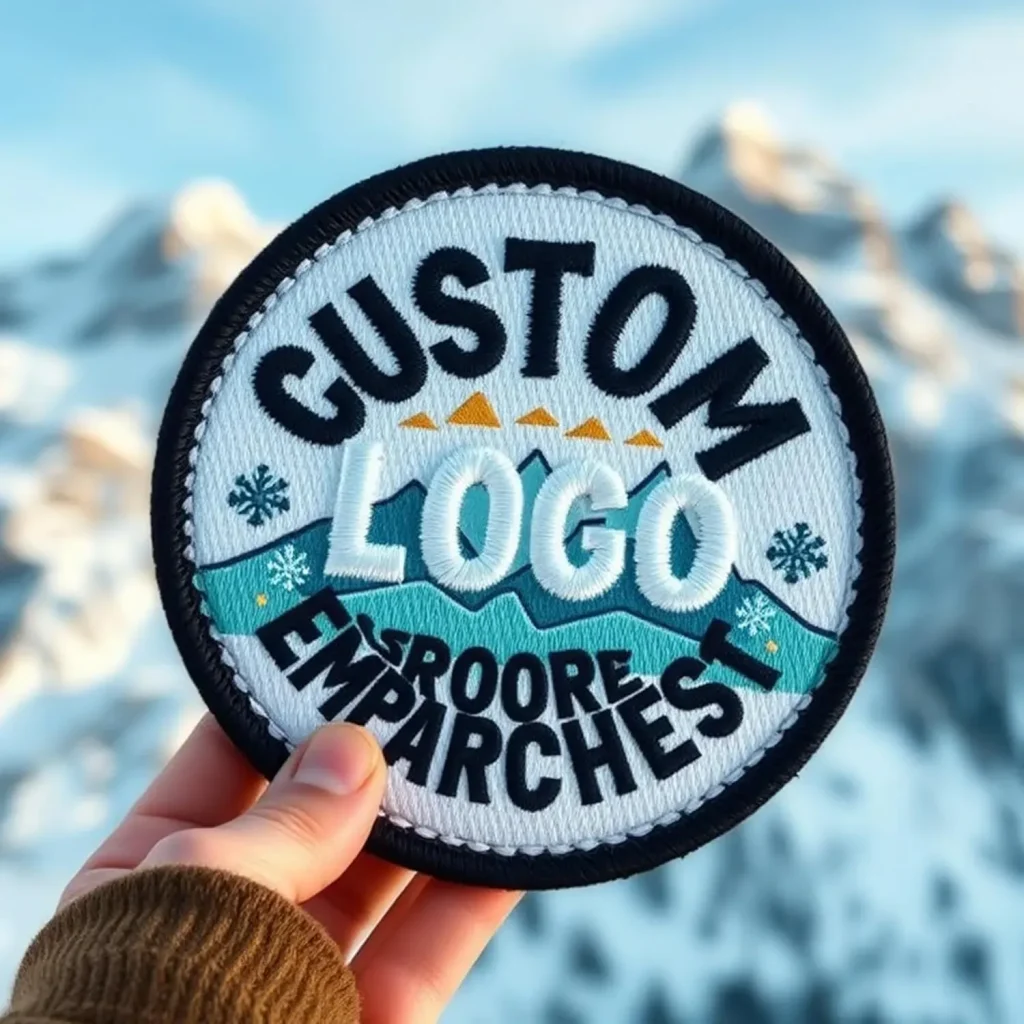
Custom patches have become a universal language for brands, teams, creators, and organizations. From a simple sketch on a napkin to a polished, wearable emblem, custom embroidered patches carry meaning, identity, and craft. Whether you are revamping a product line, rewarding top performers, or lending personality to a jacket, the journey from concept to creation blends art, engineering, and precision. In this guide, we will show how to turn an idea into a durable patch that looks great, lands on fabric with confidence, and stands up to everyday wear. If you have ever wondered how a rough drawing becomes a stitched symbol, you are in the right place.
Equally, you can think of this topic as fabric emblems and sewn badges that symbolize a team, brand, or community. Another framing is stitch-on or heat-applied patches used to elevate apparel, accessories, and merchandise. In practice, designers and manufacturers discuss backing types, edge finishes, thread choices, and color consistency – the technical language of patches and textile embellishment repurposed for broader audiences.
Concept to Brief: Turning Ideas into Patch Specifications
Turning ideas into a clear patch brief lays the foundation for successful production. Start by defining the patch’s purpose, the target audience, the garment or accessory it will adorn, and the visual language that best expresses the brand. Answering these questions helps determine shape, size, color, and level of detail, guiding decisions for embroidered patches and overall patch design ideas.
A well-crafted design brief translates a concept into actionable specifications. Consider brand color accuracy, Pantone matches, thread counts, legibility at the intended viewing distance, and the choice between sew-on or iron-on backings. These early decisions ensure the final patch aligns with expectations and performs well in real-world wear.
Digitize and Design: From Artwork to Embroidery File
The digitizing stage converts art into a stitch plan for embroidery. A digitized file specifies stitch types (satin, fill, running), thread colors, stitch density, underlay, and how color transitions occur. This is where great design ideas meet technical discipline, shaping the look of your embroidered patches.
Prototyping with a physical proof lets you evaluate edge sharpness, color fidelity, backing adhesion, and wear performance. A small sample run tests the design in real-world conditions and helps confirm feasibility before committing to a larger order, ensuring the patch production process stays efficient and on-brand.
Edges, Backings, and Attachment Options
Edge finishes and backing choices define durability and how patches interact with fabrics. Merrow borders deliver a classic, robust edge, while laser-cut edges yield a modern silhouette. Backings—sew-on, iron-on, or Velcro—affect installation ease and versatility across different garments and uses.
Selecting the right edge and backing also influences washability and compatibility with fabric blends. Iron-on patches require heat-activated adhesive and testing on the target material, while sew-on patches offer permanence for high-wear applications. This balance of aesthetics and practicality is essential to a successful patch design.
Custom Patches: The Production Process
Custom patches enter the production phase with a finalized digitized file and an approved prototype. The patch production process moves through machine setup, color verification, backing preparation, edge finishing, and final inspection. Consistency across a batch is critical to deliver uniform results on every patch.
Color management and thread lot control ensure repeatability across runs. Finishing checks cover laundering tolerance, edge integrity, and backing adhesion. This stage blends artistry with manufacturing discipline to produce durable embroidered patches that look great wear after wear.
Applications, Care, and Compliance
Fresh patches extend a brand’s story across uniforms, merchandise, events, and team gear. Whether signaling membership, recognizing achievement, or simply adding personality, embroidered patches offer flexible design language that resonates with diverse audiences.
Care and regulatory considerations matter for long-term performance. Provide clear laundering instructions, verify material safety, and ensure adhesives and backings meet relevant regulations for your markets. Thoughtful care guidance helps patches stay vibrant and securely attached over time.
Vendor Collaboration, Proofing, and Project Management
Working with a vendor is more than placing an order—it’s a collaborative process. Provide a precise design brief with shapes, sizes, colors, and backing; attach reference images and color swatches; and request physical proofs or pilot runs to test real-world conditions.
Clarify deliverables, file formats (DST, PES, vector art), lead times, and warranties. A strong vendor relationship, supported by a clear QA process and open communication, keeps the patch production process on schedule and aligned with budget and quality expectations.
Frequently Asked Questions
What are some patch design ideas for creating standout custom patches?
Start with the concept and audience, then translate into simple shapes, bold color blocks, legible text, and a clean edge. Patch design ideas for custom patches often favor circle, shield, or custom contours, high-contrast colors, and minimal detail to preserve readability on small patches. A clear brief helps your producer deliver consistent custom patches.
How does the patch production process work for embroidered patches from concept to final product?
The patch production process typically follows: finalize a digitized design, produce a prototype, then run full production with backings and edge finishes, followed by quality control checks and final finishing. In this flow, embroidered patches are shaped by the edge finish (merrow, laser-cut) and backed for your chosen application.
What backing options work best for custom embroidered patches and iron-on patches?
Backing options include sew-on, iron-on, and Velcro backings. For embroidered patches, iron-on backs offer quick, no-sew application, sew-on backs provide durability for heavy wear, and Velcro backs enable interchangeable designs. Choose based on wear, laundering, and end-user preferences.
How do you determine the right size and shape for your custom patches?
To decide size and shape, consider the garment surface, viewing distance, and brand identity. Common shapes like circles, ovals, shields, or custom contours work well, with legible text and moderate detail to stay crisp on fabrics.
How can you ensure color accuracy and durability in the patch production process for embroidered patches?
Color accuracy is achieved through digitizing with color management, color checks against reference swatches, and testing patches before mass production. Durability is improved by appropriate thread density, stable underlay, sturdy backings, and durable edge finishes, followed by laundering and wear tests.
What common mistakes should you avoid when briefing for custom patches and patch design ideas?
Avoid vague briefs, unclear backing choices, and skipping prototypes. Clearly define shapes, sizes, colors, backing, and use a reference image. Always request proofs or a small pilot run to validate patch design ideas and the feasibility before full production.
| Aspect | Key Details |
|---|---|
| Purpose and Meaning | Custom patches carry meaning, identity, and craft for brands, teams, creators, and organizations. |
| Concept to Patch Brief | Translate concept into a brief addressing purpose, audience, size, shape, color, and legibility. |
| Design to Digitize | Digitize artwork into a stitch plan; consider stitch types, density, underlay, color management; prototype. |
| Backing and Edge Finishes | Choose backing (sew-on, iron-on, Velcro) and edge finish (merrow, laser-cut); affects durability and application. |
| Production and Quality | Load digitized file, monitor color consistency, select backing/fabric, apply finishing edges, QC checks. |
| Application and Safety | Assess use cases, garment types, wash cycles; ensure safety standards for materials/backings. |
| Vendor Management | Provide clear briefs, request proofs or pilots, confirm MOQs, lead times, formats (DST/PES). |
| Trends and Practical Tips | Vector logos, legibility, balance detail, test finishing options, plan for care and laundering. |
| Materials and Backings | Backings, edges, fabrics, threads; colorfastness and compatibility with fabrics. |
| Quality and Longevity | Color consistency, durability, washability, wear resistance through QC and testing. |
Summary
HTML table above summarizes the key points from the base content about custom patches, grouped into meaningful aspects: purpose, concept to brief, digitization, backing/edge finishes, production and QC, application/safety, vendor management, trends, materials, and longevity. The following conclusion provides a descriptive recap focused on custom patches.