
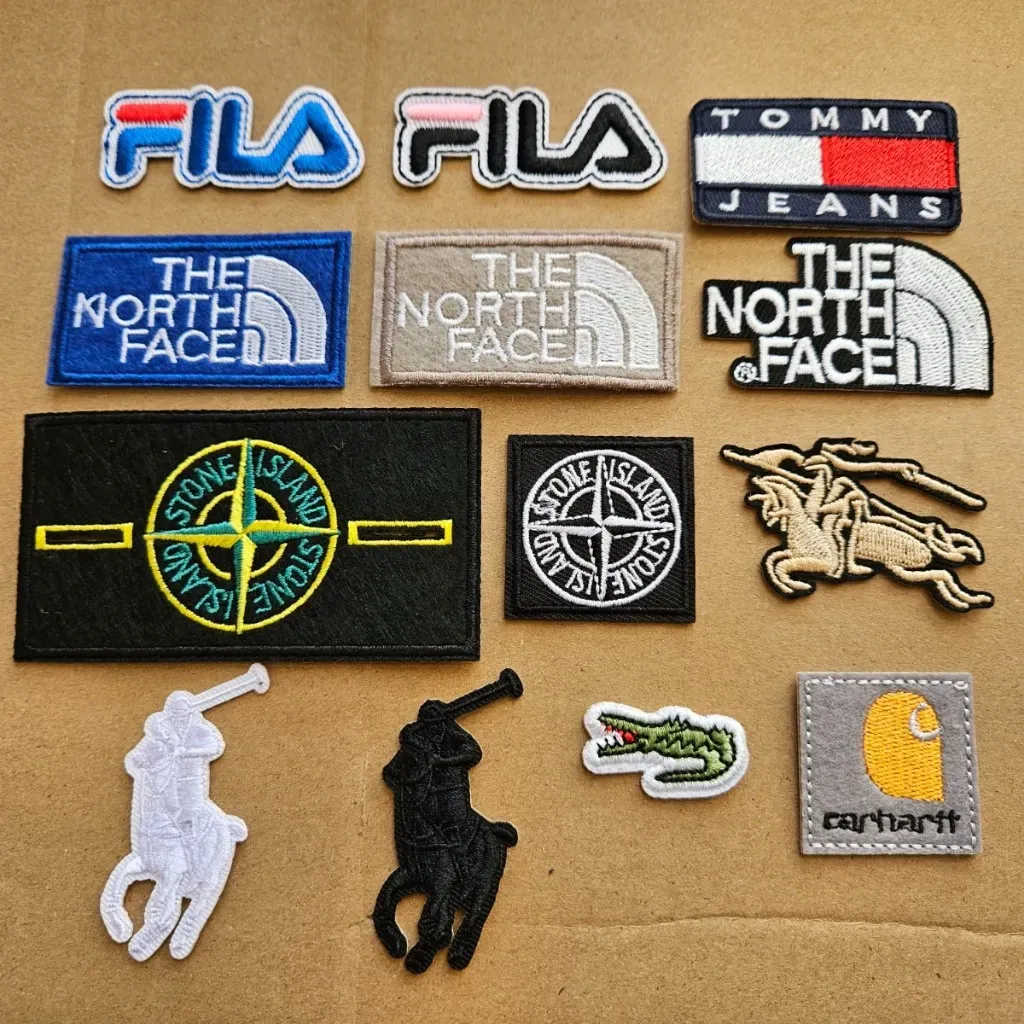
Custom patches for brands lift apparel, bags, caps, and uniforms from ordinary to memorable, acting as tangible ambassadors for your brand story. Understanding the MOQ for custom patches helps you plan budgets and staged launches. For lasting durability and a premium feel, consider options like custom embroidered patches. This guide walks you through how to create custom patches that reflect your brand’s colors, values, and character. And understanding patch turnaround time lets you align production with product drops and marketing campaigns.
Beyond the classic patch, brands can think in terms of emblem badges, embroidery patches, or woven insignias that tell a story. Using patches as branding assets can unify collections and reward loyal customers. Explore practical considerations like MOQ implications, production timelines, and backing options when selecting a supplier. By framing your patch program with these related concepts—brand symbolism, texture, and color fidelity—you align with search intent and user needs. The goal is a cohesive, scalable approach to badges that enhances product storytelling without sacrificing quality or speed.
Custom Patches for Brands: Elevate Your Product Lines
Custom patches for brands are more than decorative accents — they’re portable brand statements. When aligned with your color palette and logo guidelines, these patches become durable, tactile ambassadors that travel from jackets to bags, caps to lanyards. By treating patches as brand assets, you can unify product lines, reinforce storytelling, and reward customer loyalty through limited editions or exclusive drops.
To start turning patches into scalable brand assets, define your patch concept, select the patch type, and map backing options to your product mix. Understanding the practical realities behind MOQs, turnarounds, and proofing will help you set expectations with teams and retailers. In practice, Custom patches for brands support consistency across collections and enable selective customization without bloating SKUs.
MOQ for Custom Patches: Understanding Minimum Quantities and Cost
MOQ for custom patches can vary widely based on material, backing, size, and complexity. Traditional embroidered patches often require 100 to 500 units per design, while larger or more intricate logos may push MOQs higher. Some manufacturers offer lower MOQs for digital patches or tests with a limited color set, making it easier to start small and validate demand.
Cost considerations rise and fall with quantity. Per-unit costs decrease with larger runs because of setup, digitizing, and material efficiencies. When budgets are tight, consider staged launches or a test run that keeps MOQs manageable while you gather real-world feedback.
How to Create Custom Patches: From Concept to Proof
Start with a clear concept and branding guidelines. Decide whether you want embroidered, woven, or PVC patches, and specify backing options (iron-on, sew-on, or adhesive). Your production-ready design file should be vector-based (AI, EPS, or PDF) with embedded color codes to ensure accurate stitching, and you should request a proof before full production.
Keep designs simple for small patches, plan for typical sizes (1–4 inches), and think about durability with tighter stitches and higher thread counts. Color management should be controlled with a limited palette (4–6 colors) and Pantone references, and packaging ideas like branded backer cards can elevate the unboxing experience.
Choosing Patch Types and Backings: Embroidered, Woven, PVC, and More
Choosing patch type shapes how your brand is perceived. Custom embroidered patches deliver a durable, traditional look with bold logos, while woven patches offer finer detail and a sleeker profile. PVC patches bring a bold 3D effect and rugged durability for outdoor gear.
Backings affect application and lifecycle. Iron-on backings provide quick application for end users, sew-on backings suit fabrics that resist heat, and adhesive options can simplify builds for one-time use products. Consider how backing choice interacts with fabrics and care instructions to preserve brand appearance.
Patch Turnaround Time: Timelines, Factors, and Acceleration
Turnaround time is a critical supplier KPI that shapes product launches and marketing calendars. Factors include design readiness, patch type, backing selection, quantity, and logistics. The more complex the patch, the longer the lead time tends to be.
Strategies to shorten turnaround without compromising quality include locking in proofs early, choosing standard backing options, building internal buffers, and discussing rush options with suppliers. Some vendors offer expedited production at an added cost, which can help align patches with tight launch windows.
Long-Term Strategy: Scaling, Partnerships, and Sustainability
To maximize ROI, develop ongoing partnerships with patch suppliers who share your design language and quality standards. Long-term relationships can unlock better MOQs, favorable pricing on repeat orders, and prioritized lead times as your brand grows.
Align patches with sustainability goals by selecting organic threads, low-impact dyes, and recyclable backings where possible. Document color codes, maintain a color library, and plan pooling patches across SKUs to optimize costs while preserving brand consistency.
Frequently Asked Questions
What are the top benefits of Custom patches for brands on products?
Custom patches for brands offer durability and a tactile branding element across apparel and accessories. They help unify product lines with consistent color and shape, enable limited editions or loyalty promos, and strengthen brand storytelling on every item.
How do I determine the MOQ for custom patches for brands and why does it matter?
MOQ for custom patches is driven by patch type, size, and complexity. Traditional embroidered patches commonly require about 100–500 units per design, while simpler designs can meet lower MOQs; some manufacturers offer lower MOQs for digital patches or color-limited runs to test demand.
How to create custom patches for brands: a practical walkthrough?
Step-by-step: define concept and branding guidelines; choose patch type and backing; prepare production-ready design files and color codes; request both digital and physical proofs; approve quickly to avoid delays. This helps ensure custom patches for brands meet your quality and timing needs.
What factors influence patch turnaround time when working on Custom patches for brands?
Turnaround time for custom patches for brands is affected by design readiness, patch type and size, backing and shipping options, quantity and MOQs, and production location. To shorten it, lock in an approved proof early, prefer standard backings, and build in buffer time; choose rush options if offered.
What are the differences between custom embroidered patches and other patch types for brands?
Custom embroidered patches are durable and classic with bold stitching; woven patches offer finer detail and a softer hand feel for small text; PVC patches deliver a 3D, rubber-like look with weather resistance.
How can brands manage cost and quality for patches without sacrificing impact of Custom patches for brands?
To balance cost and quality for custom patches for brands, consider a staged launch to validate demand, negotiate MOQs with suppliers, request samples and a test run, limit the color palette to reduce complexity, and pool patches across SKUs to maximize order sizes.
| Section | Key Points | Why It Matters | Quick Tip |
|---|---|---|---|
| What patches do for brands |
|
These strengths help build consistent branding, customer engagement, and scalable storytelling across products. | Start with a single emblem and test across two product lines. |
| Step 1: Define concept and guidelines |
|
Clear briefs reduce revisions and ensure fidelity to brand. | Deliver vector files and color codes for a smooth start. |
| Step 2: Choose patch type and backing |
|
Affects durability, application, and user experience. | Align backing with end-use (iron-on for apparel, sew-on for bags). |
| ABCs of material and color selection |
|
Color accuracy and material choice drive appearance and costs. | Limit colors to 4–6 to control costs. |
| Step 3: Design process and proofs |
|
Prevents color drift and costly reorders. | Require a physical or digital proof before production. |
| Practical tips for creating patches |
|
Guides design choices to improve yield, appearance, and unboxing. | Use bold shapes and limit colors. |
| MOQ and production logistics |
|
Affects launch timelines and initial investment. | Negotiate MOQs with simpler backing or patch shapes. |
| Turnaround time: factors and management |
|
Affects launches and inventory planning. | Lock proofs early; choose standard options when possible. |
| Quality control across batches |
|
Ensures consistency across batches. | Test color and stitch density before full run. |
| Logistics, packaging, and branding alignment |
|
Creates cohesive brand experience; guides customer usage. | Include care and eco-friendly packaging notes. |
| Case in point: applying patches |
|
Demonstrates a scalable, customer-tested approach with cost control. | Use limited pre-orders to validate design. |
| Cost optimization and long-term planning |
|
Builds sustainable strategy and predictable costs. | Plan cross-SKU pooling from the start. |
| Sustainability and ethical considerations |
|
Resonates with modern consumers and brand values. | Ask suppliers about sustainability options. |
Summary
Custom patches for brands are more than decorative accents—they’re brand assets that reinforce loyalty, signal quality, and extend storytelling across apparel and accessories. By understanding how to create patches, what to expect from MOQs, and how to manage turnaround time, brands can launch more confidently, iterate faster, and scale efficiently. The key is to start with a clear concept, choose the right patch type and backing, secure timely proofs, and partner with a supplier who aligns with your design language and production goals. With meticulous planning, Custom patches for brands become a reliable, scalable channel for elevating your merch, enhancing brand visibility, and building a lasting connection with customers.