
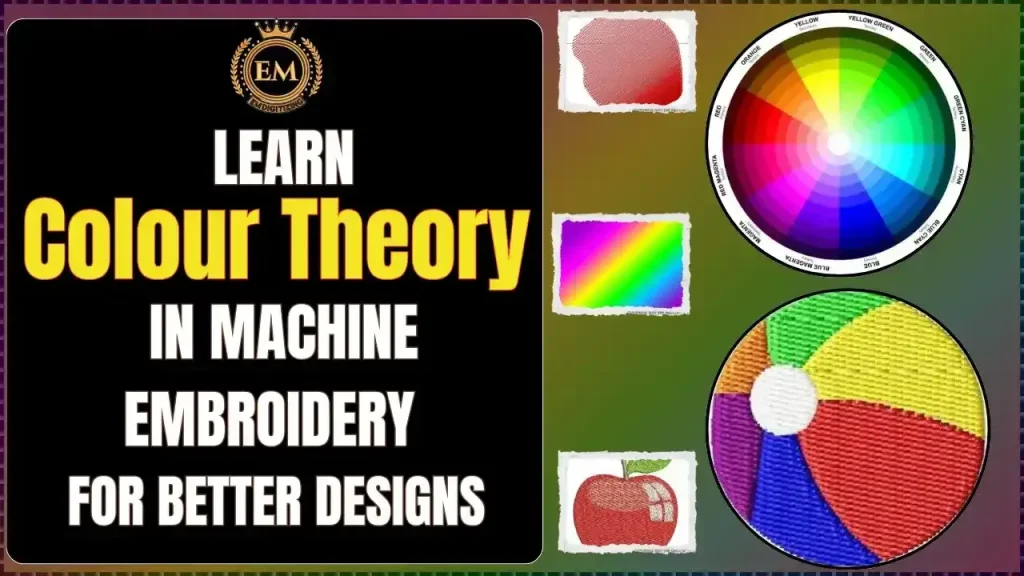
Color Theory for Embroidery opens a practical toolkit for choosing threads that turn a simple motif into art, guiding you from color instincts to deliberate design. Whether you’re stitching on linen, cotton, or silk, understanding color relationships elevates your work, makes your embroidery more expressive, and helps your pieces feel cohesive across textures. This guide explains how to select embroidery thread colors to build a cohesive palette that supports mood, depth, and legibility as your stitches come to life. We’ll explore how color relationships translate into contrast and balance on fabric, so your focal points pop and your stitchwork reads clearly from across the room. By practicing these ideas, you’ll gain confidence, refine your color intuition, and build a consistent approach to choosing threads that elevates every project.
In other terms, the idea behind color theory in stitches is about how hues relate, contrast, and harmonize to tell a story. Think of it as palette planning for thread, where temperature, value, and saturation guide choices that read well on fabric and under varied lighting. Even without naming it color theory, crafters gain clarity by testing combinations on swatches and observing how different fibers and finishes alter perceived color. This approach maps relationships between tones, textures, and surfaces to create cohesive, expressive embroidery that communicates with viewers.
Color Theory for Embroidery: From Motif to Masterpiece
Color Theory for Embroidery is a practical toolkit for selecting embroidery thread colors that transform a simple motif into expressive art. By understanding color relationships, you can choose threads that read clearly on linen, cotton, or silk, and you can plan how color shifts in the fabric’s context. This mindset helps your work feel cohesive from across the room and inviting up close, turning technical choices into deliberate design statements.
In practice, apply color theory to thread selection by considering how hue, value, and saturation interact with your fabric. A well-chosen palette balances warm and cool tones, light and dark values, and subtle shifts in shade to create depth without confusion. When you stitch with Color Theory for Embroidery in mind, you gain a reliable framework for making color decisions that elevate mood, readability, and storytelling in your embroidery.
Choosing Embroidery Thread Colors: Impact, Texture, and Readability
Selecting embroidery thread colors means weighing fiber content, dye lots, and how the thread behaves on the chosen fabric. A single skein can appear brighter or duller depending on material, lighting, and surrounding hues. Start with anchor colors that establish mood, then layer additional hues to create depth and nuance in your design.
Consider how embroidery thread colors interact with thread texture and finish. Matte cotton behaves differently from silk or rayon blends, so test colors on a swatch to see how light interacts with the fiber. By tracking how dye lots shift under different stitches, you’ll ensure that the final piece communicates its intended mood without unintended color drift.
Harmonious Palettes and Color Schemes for Stitchers
A palette is more than a random assortment of hues; it’s a plan for how elements relate to each other. Harmonious color palettes emerge from deliberate choices such as analogous schemes for cohesion, complementary schemes for strong contrast, and triadic sets for vibrant balance. When assembling your palette, always factor in the fabric base, the subject matter, and the story you want to tell.
A useful tactic is the color wheel embroidery approach: select starting colors on the wheel, then interpolate neighbors or opposites to build depth. Building these palettes with intention helps your stitches read clearly and gives individual threads a purposeful role in the composition. This approach supports both unity and visual interest across the embroidery.
Color Wheel Embroidery: Planning Your Palette with Confidence
Using the color wheel in embroidery helps you visualize relationships before you stitch. By identifying warm versus cool colors and mapping value shifts, you can predict how colors will behave when layered on fabric. The color wheel embroidery method is a practical tool for selecting base colors and for forecasting how shadows, highlights, and midtones will read under different lights.
Previewing interactions between threads on swatches reduces guesswork in larger pieces. You can experiment with analogous transitions for soft shading or bold opposites for dramatic focal points. This planning step reinforces guidance from color theory, ensuring your final piece maintains cohesion while delivering intended impact.
Mastering Contrast in Embroidery for Depth and Focal Points
Contrast in embroidery is the engine of visual impact. You achieve it through value (light vs dark), temperature (warm vs cool), and saturation (bright vs muted). High-contrast thread colors naturally draw attention to focal points, while lower-contrast combinations provide quiet backgrounds, shaping the composition and guiding the viewer’s eye.
Beyond color alone, consider how stitch type, thread thickness, and density influence perceived color. Differences in luster or sheen can subtly shift color perception, so test your choices on a swatch under multiple lighting conditions. Mastering contrast lets you control readability from a distance and the sense of depth up close.
Testing, Lighting, and Documentation: A Practical Color Planning Workflow
Practical color planning begins with a mini color study on fabric swatches. Stitch small motifs using different color combinations to observe how they interact and read under varied lighting. This testing phase is essential for refining your harmonious palette and avoiding surprises in the final piece.
Maintain a simple color log to record which combinations work, which feel off, and how dyes shift with different stitches. Consider daylight, incandescent, and LED lighting when evaluating color, and note how texture and finish influence perception. A structured workflow—define mood, choose anchors, test on swatches, and document results—keeps color decisions consistent across projects.
Frequently Asked Questions
How does Color Theory for Embroidery guide selecting embroidery thread colors?
Color Theory for Embroidery helps you map how embroidery thread colors relate on the fabric, balancing warm vs cool tones, lightness, and saturation. Start with anchor colors informed by color relationships, then adjust to keep the design legible from distance and readable up close.
What is the role of color wheel embroidery in building harmonious color palettes for thread choices?
In color wheel embroidery, you group colors using analogous, complementary, triadic, or monochrome schemes to create harmonious color palettes. Choose a base fabric, pick anchor threads, and layer hues that support the motif without overpowering it.
How can I use contrast in embroidery to emphasize a focal point with Color Theory for Embroidery?
Contrast in embroidery is about value, temperature, and saturation. Use Color Theory for Embroidery to plan focal points with high contrast and backdrops with lower contrast, then test on swatches under different lighting to confirm readability.
What practical steps help test embroidery color combinations before stitching using color wheel embroidery?
Practical steps include stitching mini color studies on swatches, using the color wheel embroidery method to preview interactions, evaluating under daylight and LED, and keeping a color log of what works with embroidery thread colors.
How do fabric color and embroidery thread colors interact according to color theory embroidery?
Fabric color heavily influences how embroidery thread colors appear. With color theory embroidery, the same thread color can shift on white, cream, or dyed fabric, so always test combinations on your base cloth.
How do I build a harmonious palette that translates well to stitched form using Color Theory for Embroidery?
To build a harmonious palette that translates to stitched form, define the mood, pick a base fabric, choose three anchor embroidery thread colors, then add 4–6 supporting hues guided by color wheel embroidery; test and adjust for lighting and texture.
| Key Point | Summary |
|---|---|
| Introduction | Color Theory for Embroidery is a practical toolkit for choosing threads to elevate motifs across fabrics and create cohesive, expressive embroidery. |
| Understanding Color Theory | Covers color interactions, contrast, and perception, with focus on the color wheel, temperature, value, and saturation to guide deliberate design choices. |
| Choosing Threads for Impact | Consider fiber content, dye lots, and how a thread behaves; start with anchor colors and layer to add depth, testing how colors read on fabric. |
| Harmonious Palettes and Color Schemes | A palette is a plan for color relationships using Analogous, Complementary, Triadic, or Monochrome schemes, tailored to fabric base color and story. |
| The Role of Contrast in Embroidery | Contrast drives visual impact through value, temperature, and saturation; use it to define focal points and shading, testing on swatches. |
| Practical Tips for Testing and Implementing Color | Stitch mini color studies, preview interactions with a color wheel method, test under multiple lighting, and maintain a color log. |
| Case Studies: Real Embroidery Projects and Color Theory | Hypothetical examples show how color choices affect mood and depth on different fabrics, emphasizing testing and thoughtful adjustments. |
| Common Mistakes and How to Avoid Them | Overusing bright colors, ignoring fabric color, and skipping tests can undermine readability; balance, fabric context, and testing are essential. |
| A Step-by-Step Approach to Embroidery Color Planning | Define mood, pick base and three anchors, build a 4–6 hue palette, test on swatches, and translate into the final composition. |
| Advanced Techniques: Lighting, Shadow, and Subtle Shading | Layer threads, vary stitch directions, and adjust values to create depth and realism without sacrificing readability. |