
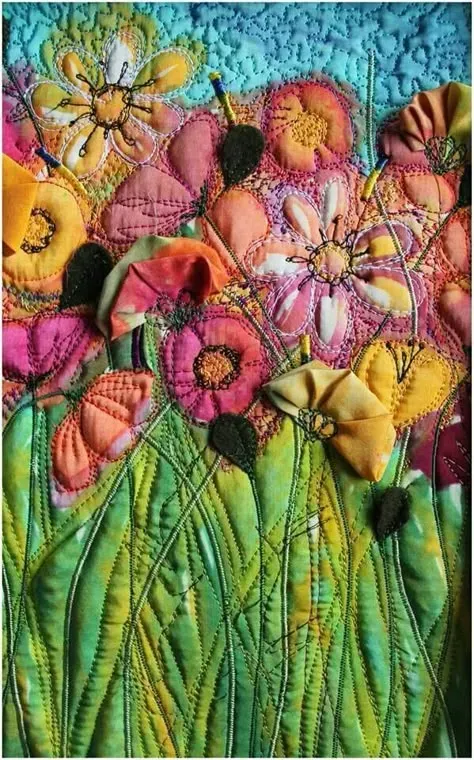
3D embroidered quilts blend traditional quilting with textile sculpture and dimensional embroidery to create tactile, dimensional pieces. By layering fabrics, padding, and raised stitches, these works invite touch and light, turning a blanket into textured textile art. They appeal to both creators and collectors who value color, form, and the sculptural potential of fiber art quilting. The journey blends design planning with experimentation in quilted art techniques and durable construction. Whether displayed on a wall or used as a dramatic throw, these works redefine what a quilt can be in modern homes.
Viewed through the lens of dimensional embroidery and textile sculpture, these pieces reveal how raised elements, padding, and varied textures transform ordinary fabric into living art. Craftspeople describe them as layered quilting, sculptural stitching, or three-dimensional textile works that invite touch and curiosity. From a design point of view, the approach emphasizes form, light, and shadow while exploring fiber arts and surface decoration. Using terms like raised appliqué, buoyant padding, and textured layering keeps the concept accessible while honoring traditional craft. In short, this branch of quilting blends craft vocabulary with contemporary aesthetics, expanding how homes display fabric art.
3D Embroidered Quilts: A Gateway to Textured Textile Art
3D embroidered quilts blend the timeless craft of quilting with sculptural texture, creating works that read as textured textile art from a close-up view and a distant glance. By layering fabrics, padding, and carefully bent stitches, these quilts rise from the surface to invite touch, light, and conversation in any living space. The result is a wearable sculpture that doubles as a cozy home accessory, transforming a blanket into a tactile storytelling medium.
This approach encourages designers to think in three dimensions: where light will fall, how shadows will form, and which fabrics will respond best to lifting stitches. The interaction between color, weight, and texture yields a vibrant alchemy that flat textiles simply cannot achieve. Whether you’re a maker or a collector, 3D embroidered quilts offer a dynamic form of textured textile art that deepens the feeling of warmth and presence in a room.
Materials and Tools for Dimensional Embroidery: Building Your 3D Toolkit
Successful dimensional embroidery starts with choosing fabrics that hold shape and support layered forms. Cotton and linen provide stable bases, while heavier textiles like canvas or denim can anchor more ambitious structures. Muslin, velvet, felt, and even metallics add varied textures that catch light differently, helping each raised element to tell a separate tactile story within the same piece.
Thread choices—the smooth sheen of cotton floss, the heft of perle cotton, or the luxury of silk—shape shading and edge definition in raised motifs. Coupled with stabilizers, batting, and padding, these tools let you sculpt volume from fabric. Mastery comes from experimenting with texture and density, ensuring the piece remains durable while maintaining the sculptural feel that sets 3D quilts apart.
Techniques That Define Layered Texture: Padded Appliqué, Trapunto, and More in Fiber Art Quilting
Layered techniques such as padded appliqué and trapunto give surface elements tangible depth. By padding shapes before securing them to the base, you create soft, rounded relief that reads as sculpture at various distances. Combined with layering quilting and thick stitches, these methods contribute to the bold texture that defines quilted art techniques.
In addition to raised forms, dense knots, couching, and corded stitches can simulate seeds, petals, or architectural details. These approaches push fabric outward and cast nuanced shadows that evolve with the viewing angle. When integrated with dimensional embroidery, they elevate fiber art quilting from a textile craft into a cohesive, multi-sensory experience.
Design Principles for Color, Scale, and Shadow in 3D Quilting
A successful 3D quilting project starts with a clear concept and a plan for how color and texture will interact. Thoughtful color harmony—whether monochrome to emphasize form or contrasting hues to create visual pop—enhances the textural language of raised elements. Consider scale and balance: a single dominant motif can anchor a piece, while smaller elevations cadence around it to create rhythm.
Incorporating layering and light interaction helps you choreograph shadow play across the surface. Heavier elements will cast stronger shadows, while lighter threads glisten, drawing the eye along the sculpture-like surface. Planning stabilizers and backing fabrics with this light/shadow logic ensures the final piece remains both visually striking and structurally sound.
Care, Display, and Preservation of 3D Embroidered Quilts
Because 3D embroidered quilts feature raised surfaces and mixed materials, care should be gentle and consistent. Hand washing or delicate machine cycles with mild detergents help protect padding and intricate stitches. Drying flat away from direct sun minimizes distortion, while breathable storage containers or muslin covers safeguard the piece from dust without compromising its shape.
Display considerations matter as much as care. A light, balanced mounting system distributes weight evenly, preventing sag and edge wear. Regular inspection of stitches and padding helps catch wear early, preserving the work’s dimensional integrity. With mindful handling and proper storage, a 3D embroidered quilt can remain a cherished part of a home or collection for years.
Inspiration and Learning: Resources for Quilt Techniques and Textured Fiber Art
To nurture ideas for textured textile art and dimensional embroidery, explore local quilt guilds, textile classes, and community studios that offer hands-on workshops. Online platforms provide tutorials, galleries, and discussions that showcase a wide range of fiber art quilting practices, from minimal surfaces to full sculptural quilts. Engaging with these communities can spark new approaches to texture, color, and form.
Documenting your process—sketches, fabric swatches, and step-by-step notes—helps translate concept into finished work while anchoring your practice in quilted art techniques. By studying diverse approaches and sharing your own experiments, you’ll grow a personal vocabulary for 3D quilts that blends storytelling with material ethics and technique.
Frequently Asked Questions
What are 3D embroidered quilts and how do they differ from traditional quilts?
3D embroidered quilts are quilted textiles that feature raised elements created with padded appliqué and dimensional embroidery to lift shapes from the fabric. They blend traditional quiltmaking with sculpture, aligning with textured textile art and quilted art techniques for a tactile, sculptural effect.
What materials and tools are essential for creating 3D embroidered quilts?
Key materials include a sturdy base such as cotton, linen, or canvas, plus padding or batting to shape the raised elements. Use a range of threads (cotton floss, perle cotton, silk) and stabilizers to support form, and consider textured fabrics (velvet, felt, metallics) to enhance dimensional embroidery in fiber art quilting.
Which techniques are used in 3D embroidered quilts to add depth and dimension?
Techniques include padded appliqué, trapunto, layered quilting, thick zigzag and couching, plus dense knot stitches like French knots and bullion knots. These methods drive dimensional embroidery that creates shadow and tactile interest, bridging traditional quilting with textured textile art.
How do you plan a design for a 3D embroidered quilt to maximize texture and impact?
Begin with a clear concept and plan where light will hit raised areas. Map layering, select fabrics and threads for varied textures, and decide where 3D elements will anchor the composition. A thoughtful approach uses quilted art techniques to balance form, color, and texture in fiber art quilting.
How should I care for and display my 3D embroidered quilts to preserve the texture?
Care for 3D embroidered quilts with gentle washing when needed, avoiding high heat and direct sunlight. Dry flat or line-dry and store in breathable containers. When displaying, mount with backing that supports the raised areas to prevent sagging and preserve the dimensional embroidery.
Where can I learn more about 3D embroidered quilts, dimensional embroidery, and related techniques?
Explore local quilt guilds, textile art classes, and online tutorials that cover dimensional embroidery and textured textile art. Museums, books, and artist websites also offer inspiration and practical tips on quilted art techniques and fiber art quilting.
| Topic | Key Points |
|---|---|
| Focus keyword |
|
| Related keywords |
|
| Post title |
|
| Meta description |
|
| What are 3D Embroidered Quilts? |
|
| Materials & Tools |
|
| Techniques |
|
| Design Principles |
|
| Starting a Project |
|
| Care, Display, and Preservation |
|
| Where to Learn and Find Inspiration |
|
Summary
3D embroidered quilts invite touch and sight as they blend traditional quiltmaking with sculpture-like textile form. In textured textile art, layered fabrics, padding, and dimensional embroidery create depth, shadows, and tactile details that draw viewers closer. These pieces sit at the crossroads of fiber art quilting and contemporary wall art, offering durability and storytelling potential for homes and galleries. With careful design, material choices, and stitching strategy, you can balance color, texture, and light to transform a space. The practice rewards both experimentation and discipline, guiding you from concept to finished piece while preserving longevity through appropriate care. Whether you are a hobbyist or an artist, this approach invites you to merge craft with personal narrative and interior decor, expanding what textile art can convey in a living space.