
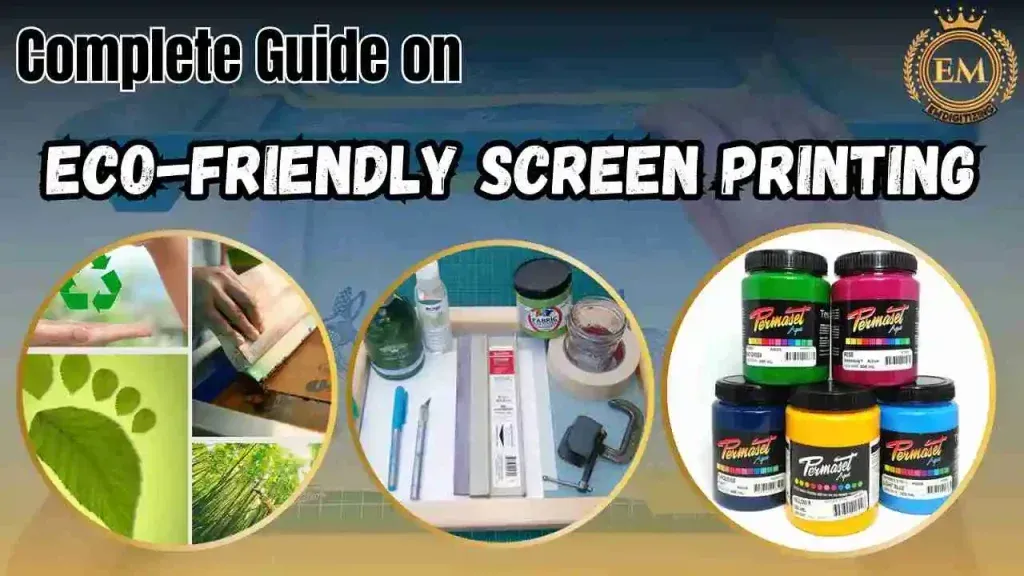
Eco-Friendly Screen Printing is more than a trend; it’s a practical approach to reducing the environmental footprint of textile decoration. By choosing water-based inks and smarter design choices, brands can achieve vibrant results without compromising people or the planet. This introductory guide explains how to implement greener practices in studio and production settings. Adopting efficiency-focused printing methods helps cut waste, conserve energy, and maintain color quality across runs. From materials to workflows, the focus remains on safe, sustainable options that support both performance and environmental responsibility.
A broader way to frame this topic is eco-conscious printing for textiles and consumer goods, focusing on sustainable production habits. Think of responsible ink choices, low-toxicity chemistry, and green manufacturing that keeps colors vibrant without compromising people or waterways. Alternatives span water-based emulsions, recycled substrates, and energy-efficient curing as part of a holistic, environmentally minded workflow. When brands, printers, and suppliers align on these principles, sustainable printing can deliver durable results while reducing waste and resource use.
Eco-Friendly Screen Printing: Principles, Inks, and Waste Reduction
Eco-friendly screen printing is a practical approach to reduce the environmental footprint of textile and product decoration. By prioritizing sustainable inks, embracing water-based options, and rethinking waste streams, brands and studios can achieve high-quality results without compromising people or the planet. This approach aligns with environmentally friendly printing practices that emphasize lower VOCs, energy-conscious curing, and responsible waste handling.
Implementation involves choosing inks that minimize toxins and emissions, verifying non-toxic inks through third-party certifications, and adopting low-waste screen printing practices from design through curing to minimize waste. By selecting sustainable inks and water-based formulations, printers can reduce solvent exposure while maintaining color vibrancy and durability.
Sustainable Inks and Color Integrity for Modern Garments
Color vitality and environmental performance go hand in hand when you choose sustainable inks that minimize life-cycle impact. Water-based inks, in particular, can deliver rich color while reducing solvent exposure, helping you maintain vibrant prints without sacrificing sustainability.
To maintain color accuracy, conduct rigorous testing for color matching, wash-fastness, and substrate compatibility, while verifying third-party sustainability certifications. Adopt a low-waste workflow that emphasizes efficient color separations and responsible ink usage to keep the end product both vibrant and environmentally friendly.
Water-Based Inks: Soft Hand, Vibrant Color, and Safer Workflows
Water-based inks are a cornerstone of eco-conscious printing, delivering a soft hand on fabrics while lowering VOCs compared with plastisols. While curing must be carefully controlled to maximize durability, advances in formulation have narrowed the performance gap, making water-based inks a viable choice for many applications in an environmentally friendly printing program.
Implement a safer workflow with proper ventilation, personal protective equipment (PPE), effective water management, recycling rinse water, and energy-efficient curing. These practices support low-waste screen printing outcomes and help protect workers while preserving print quality.
Non-Toxic Inks for Schools and Community Programs: Safety and Compliance
Non-toxic inks prioritize safety for wearers and printers, making them ideal for schools and community programs. Look for certifications and low-toxicity formulations that meet regulatory standards while delivering durable, comfortable prints that align with environmentally friendly printing goals.
Test substrate compatibility, perform wash tests, and communicate safety advantages to customers and program participants. Regularly auditing ink suppliers for transparency and certifications helps ensure consistent performance and peace of mind.
Low-Waste Screen Printing: Design, Pre-Press, and Recycling Strategies
Low-waste screen printing emphasizes design efficiency, minimizing color calls, optimizing separations, and planning runs to avoid reprint waste. From artwork prep to final production, every choice can reduce material use and energy consumption while maintaining color fidelity.
Emulsion management, reusable screens, solvent-free cleanup systems, and energy-conscious curing contribute to overall waste reduction. Regularly auditing processes and adopting closed-loop water systems can push waste even lower and support sustainable growth.
Environmentally Friendly Printing: Building Partnerships and Measuring Impact
Environmentally friendly printing benefits from transparent supplier data, sustainability certifications, and ongoing audits. Forge partnerships with ink and material suppliers who publish product stewardship information, track energy use, water usage, and waste streams, and align on common sustainability goals.
Run pilots, collect data on wash-off waste, color fastness, durability, and customer perception; use on-demand production to reduce inventory and environmental footprint. Data-driven decisions help demonstrate impact to clients and justify investments in greener technologies and practices.
Frequently Asked Questions
What is Eco-Friendly Screen Printing and how do sustainable inks contribute to its impact?
Eco-Friendly Screen Printing reduces environmental impact by selecting inks with lower VOCs and by minimizing energy use during curing. Sustainable inks are formulated to lower the environmental footprint across production and end-use, often using renewable materials and reduced toxic byproducts. Many sustainable inks are water-based, delivering rich color with less solvent exposure while maintaining durability.
In Eco-Friendly Screen Printing, how do water-based inks help reduce environmental impact while delivering strong color?
Water-based inks are a cornerstone of eco-friendly printing. They generally emit fewer VOCs than plastisol-based inks and can yield a soft hand on a wide range of fabrics. Achieving durability requires proper curing, but advances in formulations have narrowed traditional gaps in wash-fastness and color vibrancy.
What is low-waste screen printing and how can it be applied in Eco-Friendly Screen Printing workflows?
Low-waste screen printing focuses on reducing waste at every stage: smart pre-press decisions, careful emulsion management, and efficient curing. Practices include optimizing color separations, reclaiming and reusing screens, and choosing long-life materials to minimize misprints. Combined, these strategies lower waste and improve productivity while aligning with eco-friendly screen printing goals.
Why should I choose non-toxic inks for Eco-Friendly Screen Printing, and what certifications should I look for?
Non-toxic inks reduce harmful substances for printers and wearers. Look for third-party certifications and verify substrate compatibility to ensure longevity and color accuracy. Testing on actual garments helps confirm performance while maintaining the eco-friendly promise.
How does environmentally friendly printing influence material choices, waste management, and supplier partnerships in screen printing?
Environmentally friendly printing affects substrate selection (organic cotton, recycled blends), recyclable screens, and the use of low-VOC additives. It also encourages supplier partnerships that publish sustainability data and certifications. A broader approach includes safe waste management and closed-loop water systems.
What practical steps can studios take to start Eco-Friendly Screen Printing, including piloting sustainable inks and measuring performance?
Practical steps include assessing current practices, piloting sustainable inks or water-based inks, and training staff on safety and waste management. Optimize the production line with efficient color separations and curing. Track results such as color fastness, hand feel, wash durability, and waste reductions to justify the shift.
| Aspect | Key Points |
|---|---|
| Inks and their Impact |
|
| Reducing Waste Across the Process |
|
| Materials, Equipment, and Partnerships |
|
| The Eco-Friendly Workflow: Practical Tips for the Studio or Shop |
|
Summary
Eco-Friendly Screen Printing is not just a trend—it’s a practical, responsible approach to decorating textiles and products. By embracing sustainable inks, water-based formulations, and non-toxic options, printers can deliver high-quality results while reducing environmental and health impacts. Reducing waste across design, production, and post-print cleanup lowers costs and strengthens brand value. The eco-friendly workflow includes careful substrate selection, durable screens, and a culture of continuous improvement through audits and transparent supplier partnerships. This approach benefits brands, workers, communities, and the planet, and it scales from small studios to full production lines.